Wondering if you can have walkable city living without big-city prices? In Harrisburg, you get a compact capital city feel, a growing dining scene, and commutes that fit a busy schedule. If you are an urban professional, you likely want easy access to work, coffee, transit, and parks, plus practical guidance on housing types and trade-offs. This guide shows you how Harrisburg works day to day, where to focus your search, and what to check before you buy. Let’s dive in.
Why Harrisburg works for you
Harrisburg is Pennsylvania’s capital with about 50,000 residents in the city, and many more in the broader metro. State government anchors the local economy, while healthcare, education, logistics, and small businesses add stability and variety. That mix supports careers with reliable hours and growing after-work options.
Compared with larger East Coast metros, housing and overall costs are generally lower. You can prioritize walkability in Downtown or Midtown, or stretch your space in nearby neighborhoods and suburbs. With Amtrak service, regional buses, and Harrisburg International Airport a short drive away, you keep regional mobility without sacrificing convenience.
Neighborhoods at a glance
Harrisburg’s neighborhoods feel distinct. Use these snapshots to narrow your fit, then visit at different times of day to confirm your routine.
Downtown and Capitol Complex
Downtown centers on government offices, Market Square, and cultural sites near the State Capitol. It is the city’s most walkable core. Housing skews toward condos, loft conversions, and newer infill apartments. If you want a short walk to work, events, and quick lunches, Downtown is a strong fit.
Midtown and Second Street Corridor
Midtown blends renovated historic homes with a lively food and brewery scene, including the Second Street corridor often called Restaurant Row. You will find Victorian-era houses, brick rowhomes, and some multiunit buildings. If you want character, dining within a few blocks, and an active pedestrian feel, Midtown delivers.
Riverfront, Shipoke, and City Island
The riverfront offers views, green space, and direct access to paths. Shipoke is a small historic neighborhood tucked along the Susquehanna with quick access to downtown. Expect charming cottages and rowhomes, and be mindful that some properties sit in floodplain zones. Plan to review flood maps, elevation details, and insurance requirements early in your process.
Uptown, Allison Hill, and East/West blocks
These residential areas offer more single-family homes, duplexes, and older rowhomes at a range of price points. Some streets show active revitalization, while others may need renovation. If you want more space or an opportunity to update a home, you will find options here.
Adjacent suburbs for comparison
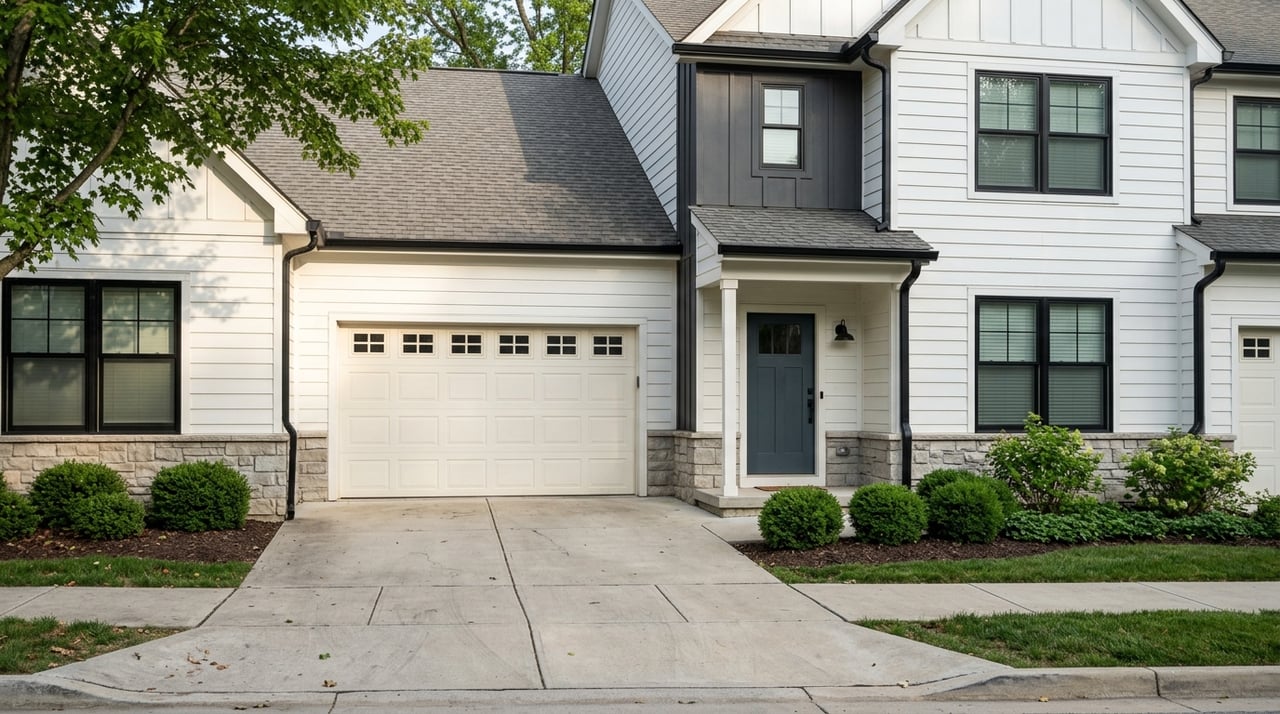
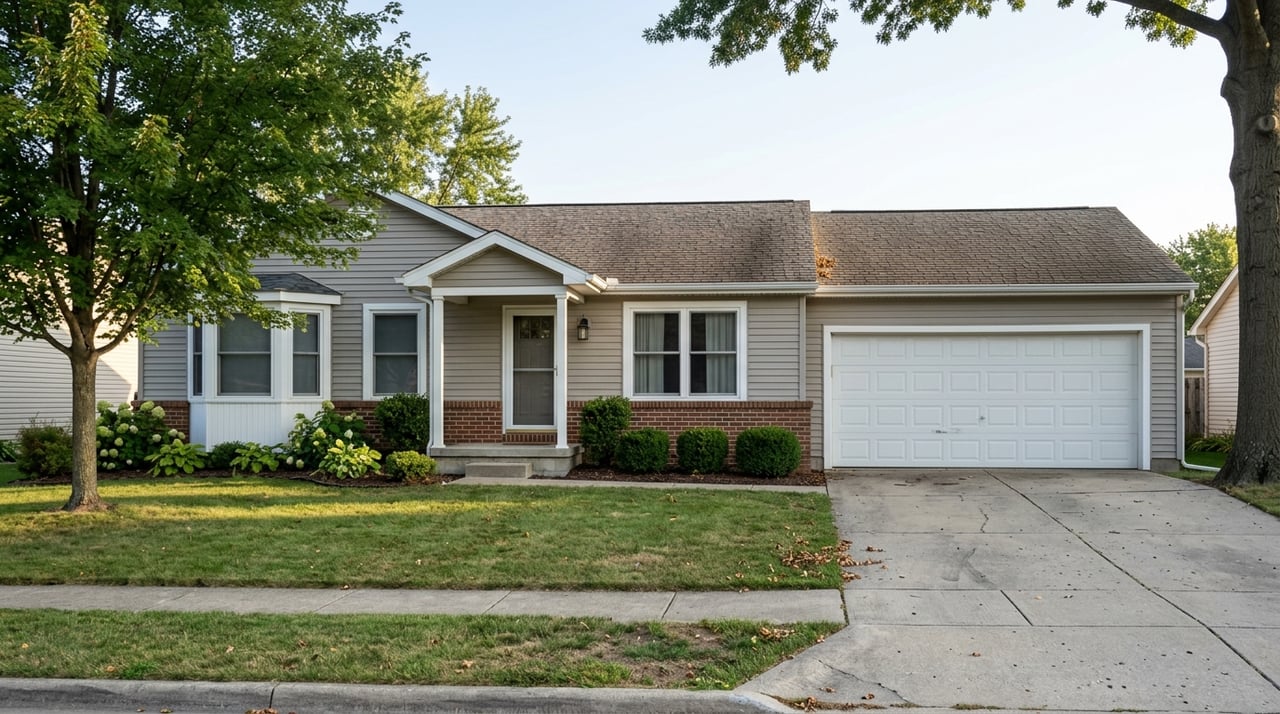
Nearby communities like Wormleysburg, Camp Hill, and Mechanicsburg often feature newer housing stock, larger yards, and commuter convenience. Some families compare public school options across districts using state report cards. Many urban professionals choose a suburb while working in the city, then visit Downtown and Midtown for dining and events.
Getting around Harrisburg
Highways and driving
You can reach key routes quickly. I-83 runs through the city, and I-76 and I-81 are regionally accessible. Traffic is moderate compared with larger metros, though rush hours and legislative sessions bring typical peaks.
Transit and regional rail
Capital Area Transit operates local bus routes that serve city neighborhoods and parts of the metro. The Harrisburg Transportation Center connects you to Amtrak’s Keystone Corridor for trips to Philadelphia and beyond, plus intercity buses. This gives you one-seat or single-transfer options to major cities depending on schedules.
Airport access
Harrisburg International Airport sits south of the city near Middletown. It is typically a 15 to 20 minute drive from downtown, depending on traffic, and offers regional flights with connections to national hubs.
Walk, bike, and trails
Downtown and Midtown are the most walkable areas, with many daily needs in a 10 to 20 minute radius. Cyclists use the Capital Area Greenbelt, a roughly 20-mile loop, along with riverfront paths and local bike lanes. City Island and the Susquehanna Riverwalk are popular for weekend runs and rides.
Daily life and weekends
Dining and nightlife
You will find independent restaurants, cafés, and breweries concentrated in Midtown and along Second Street. Broad Street Market is a longstanding food market with local vendors and a social, casual feel. The mix continues to evolve, reflecting interest from younger residents and visitors.
Arts, culture, and events
Cultural anchors include the State Museum of Pennsylvania and the Whitaker Center for Science & the Arts, which hosts exhibits and performances. The region’s events calendar includes the Pennsylvania Farm Show, outdoor concerts, Pride events, and riverfront festivals. City Island offers seasonal family entertainment and minor-league baseball at times of year.
Parks and outdoor recreation
Riverfront Park, the Susquehanna Riverwalk, City Island, and neighborhood parks provide space to move. Runners, cyclists, and paddlers use the river corridor in warmer months. For bigger weekend outings, Hersheypark is under an hour away.
What to know before you buy
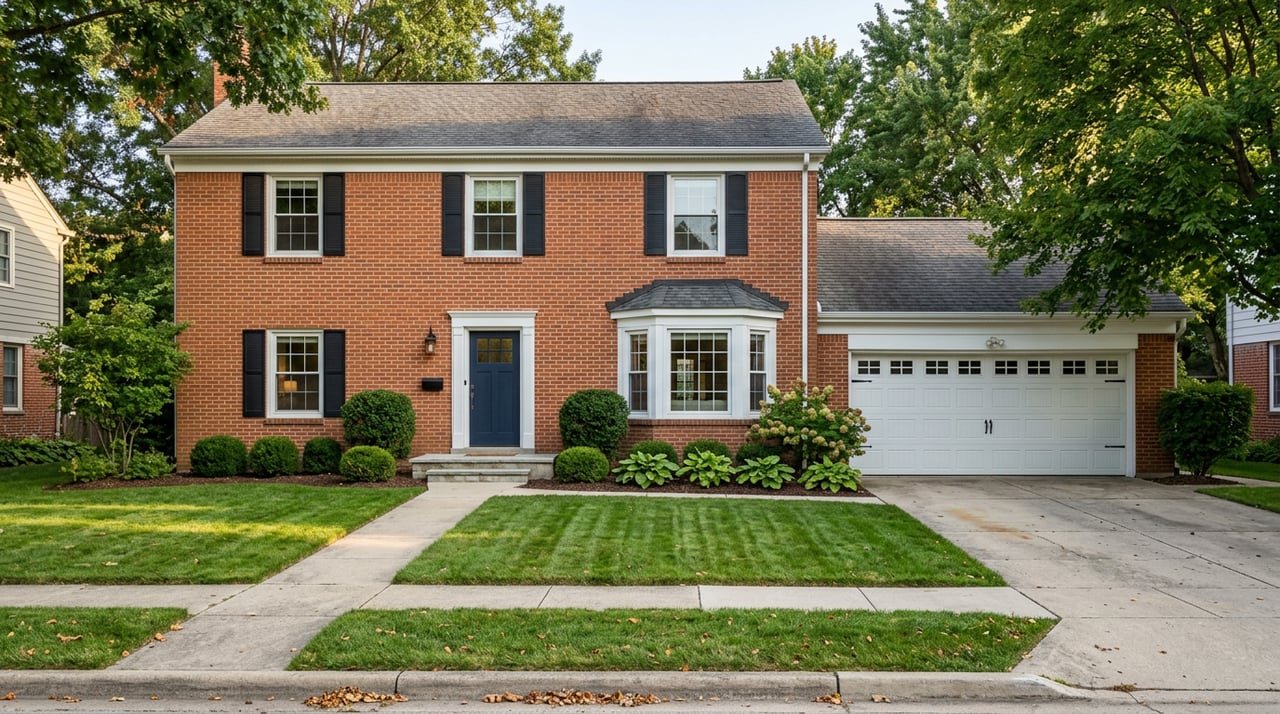
Harrisburg offers everything from downtown condos to historic townhouses and suburban single-family homes. The right move depends on your budget, commute, and appetite for maintenance.
Prices and financing
Prices vary sharply by neighborhood and property type. Review recent sales through the local MLS and the Greater Harrisburg Association of REALTORS, and cross-check county property records. Older properties may need updates, so FHA and renovation loans are common tools for buyers who want to improve systems or finishes.
Historic homes and renovation
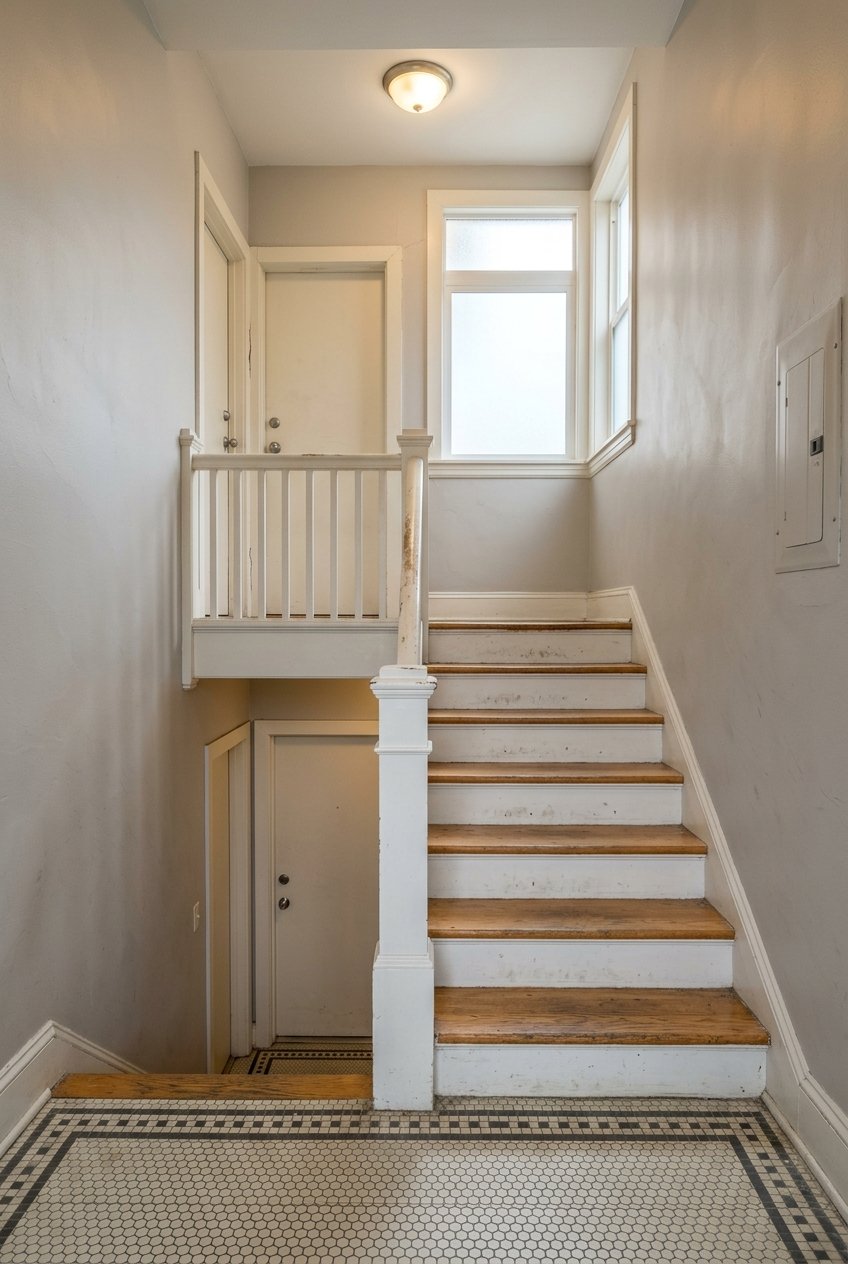
Many city homes date to the 19th and early 20th centuries. You gain character in flooring, brickwork, and facades, but you should budget for possible electrical, plumbing, insulation, or lead-paint items. Some areas carry historic-preservation rules, especially for exterior changes. Confirm guidelines and approvals before you plan a project.
Flood risk and insurance
Homes close to the Susquehanna, including parts of Shipoke and low-lying riverfront blocks, can fall within mapped floodplains. Lenders may require flood insurance. Review FEMA flood maps, look for elevation certificates, and request a property’s recent flood history as part of your due diligence.
Safety and local context
Crime rates can vary by block. Use city crime maps and local police reports to evaluate specific streets, and talk with neighborhood associations about community efforts. Visit homes at different times of day to understand patterns that matter to your routine.
HOA, maintenance, and parking
If you buy a condo or a unit in a renovated building, you will likely have HOA fees that cover common-area upkeep and services like snow removal. Downtown living may mean on-street or permit parking, while some buildings include assigned spaces. Confirm parking arrangements early, especially if you own multiple cars.
Resale and liquidity
Downtown condos and historic rowhomes can have narrower buyer pools than suburban single-family homes. Consider how your home fits with typical buyers in the area, and think about rental potential if you shift plans later. Keep an eye on neighborhood projects that could shape future demand.
Your due diligence checklist
- Pull recent comparable sales through the local MLS and county records.
- Obtain a thorough home inspection, including electrical, HVAC, roof, and foundation.
- For riverside properties, check FEMA flood maps, elevation certificates, and insurance quotes.
- Confirm any historic-district rules for exterior work.
- Review HOA budgets, reserves, and unit owner-occupancy ratios for condos.
- Test commute options at your typical travel times.
- Compare school district information using state report cards if that is part of your decision.
Try a week in Harrisburg
Picture a weekday where you walk or bike from Midtown to your office, grab coffee near Market Square, and take a short bus or walk to a meeting downtown. After work, you meet friends along Second Street or pick up dinner from Broad Street Market. On Saturday, you loop part of the Capital Area Greenbelt, stop for a riverfront picnic, then catch a show at the Whitaker Center. If you need to travel, you are a quick ride from the Harrisburg Transportation Center or the airport.
How to choose your spot
- Define your top three priorities, such as walkability, commute time, and renovation tolerance.
- Shortlist neighborhoods that match your routine: Downtown and Midtown for walking, riverfront for outdoor access, Uptown and East/West areas for more space, or suburbs for larger lots.
- Tour at different times to compare parking, noise, and traffic patterns.
- Line up financing that fits the property type. If you expect updates, explore renovation-loan options.
- Map your week in advance. Confirm bus routes, Amtrak schedules, and bike trail access that matter to you.
Work with a team that knows the blocks
If you want clear, practical advice grounded in renovation economics and real market data, you need a local partner who works these streets every week. Our team combines investor-level underwriting with high-volume residential execution, especially in Midtown and Uptown historic townhomes, multifamily properties, and renovated urban housing. We can help you weigh flood risk, HOA budgets, and resale demand, then move quickly when you find the right fit.
Ready to plan your move or compare neighborhoods? Connect with Wendell Hoover to talk through your goals and see what is coming to market next.
FAQs
Is Harrisburg a good fit for urban professionals?
- Yes, if you want lower housing costs than larger metros, a stable government and healthcare job base, and walkable options in Downtown and Midtown with short commutes.
What commute options should I expect in Harrisburg?
- Many residents drive on I-83, I-76, and I-81, while buses and Amtrak serve city and regional trips; within-city commutes are often under 30 minutes depending on route.
How walkable are Downtown and Midtown Harrisburg?
- These are the most walkable areas, with many daily needs within a 10 to 20 minute walk, plus access to the riverfront paths and the Capital Area Greenbelt.
What should I know about flood insurance near the river?
- Some river-adjacent homes sit in mapped floodplains; check FEMA maps, request elevation certificates, and confirm lender insurance requirements early.
What are school options in and around Harrisburg?
- The Harrisburg School District serves the city; some families compare nearby districts like Central Dauphin or Lower Dauphin using state report cards to inform decisions.
How do home prices vary by neighborhood?
- Prices differ widely between downtown condos, historic rowhomes, and suburban single-family homes; review current MLS and GHAR reports plus county records for recent sales.
Where can I find local transit and travel information?
- Check Capital Area Transit for bus routes, Amtrak for rail schedules at the Harrisburg Transportation Center, and Harrisburg International Airport for flight options.