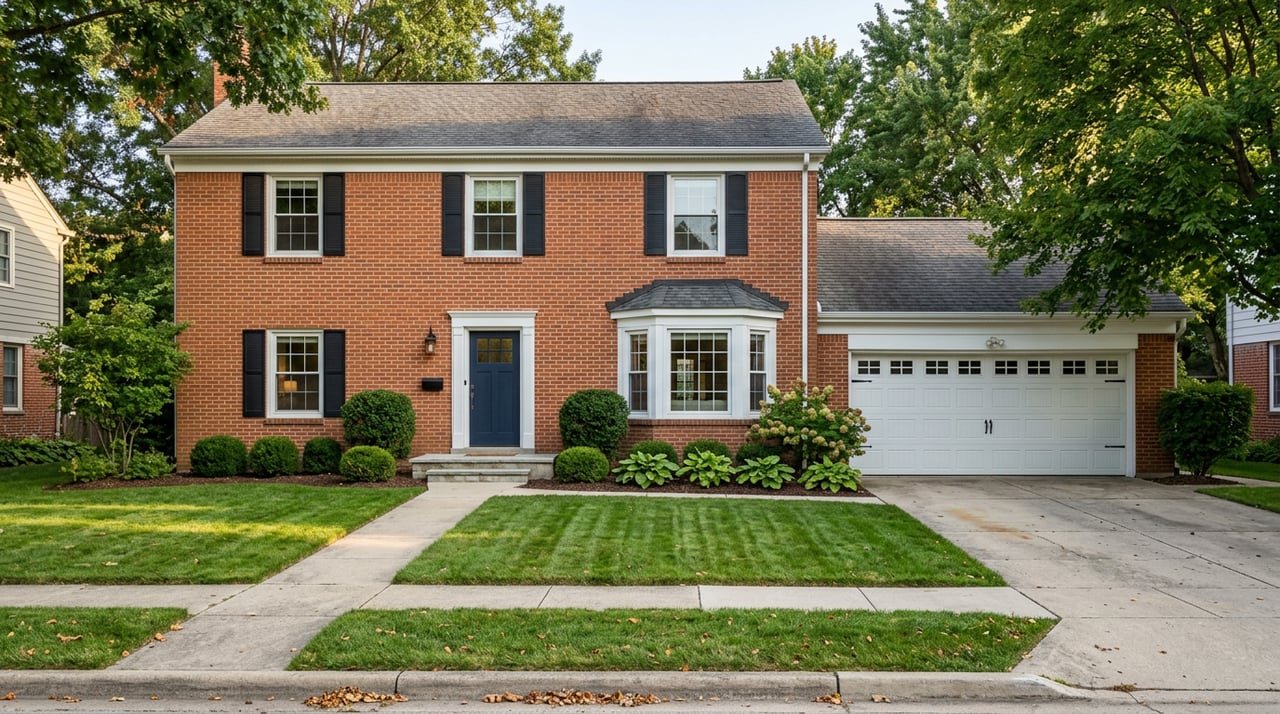
Trying to choose between Camp Hill and Harrisburg for your first home can feel like comparing apples and oranges. You want a smart price, reasonable taxes and a neighborhood that fits your daily life. In this guide, you will see a side-by-side look at prices, taxes, commute options, school considerations, walkability, and long-term resale so you can buy with confidence. Let’s dive in.
Price snapshot for 2026
Camp Hill at a glance
Camp Hill is a small suburban borough with higher typical prices. Zillow’s Home Value Index shows a typical value around $322,535, with data through February 28, 2026. Inventory trends can be tight, and attractive homes near Market Street often move quickly. Expect many starter options in the mid 200s to mid 300s, with larger homes reaching higher price points based on lot and updates.
Harrisburg at a glance
Harrisburg, the state capital, offers a wider range of entry-level choices at lower prices. Zillow’s Home Value Index reports a typical value around $258,294, with data through February 28, 2026. You will see many options under $150,000 to $250,000 in several neighborhoods, while renovated or central locations can reach $250,000 to $350,000 and above. Competitiveness varies by neighborhood.
Note on data: different services measure different geographies and time windows, so numbers can differ. Use live MLS comps the week you shop for the most accurate picture.
What you can buy on a first-time budget
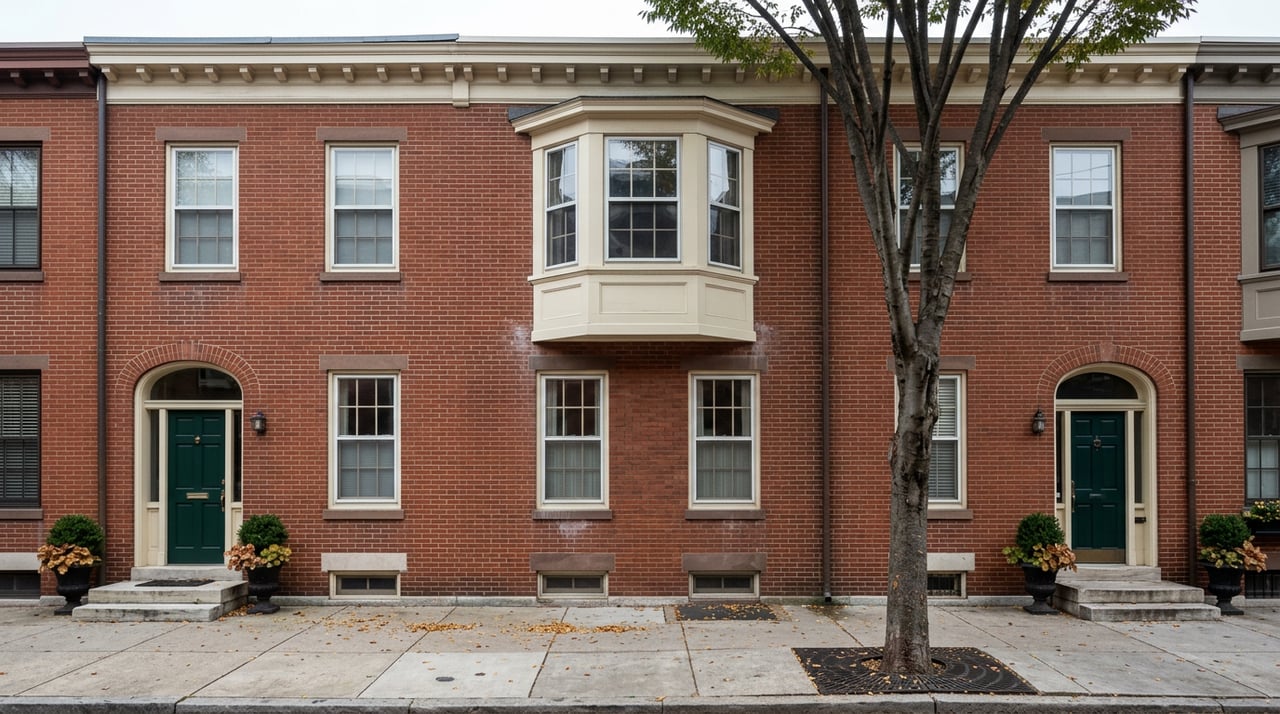
- Harrisburg: Rowhomes, modest single-family houses, and condos often list and sell under $150,000 to $250,000 in many areas. Renovated units or central neighborhoods can reach the mid 200s to 300s. This spread is a key reason Harrisburg is frequently cited as an affordable state capital.
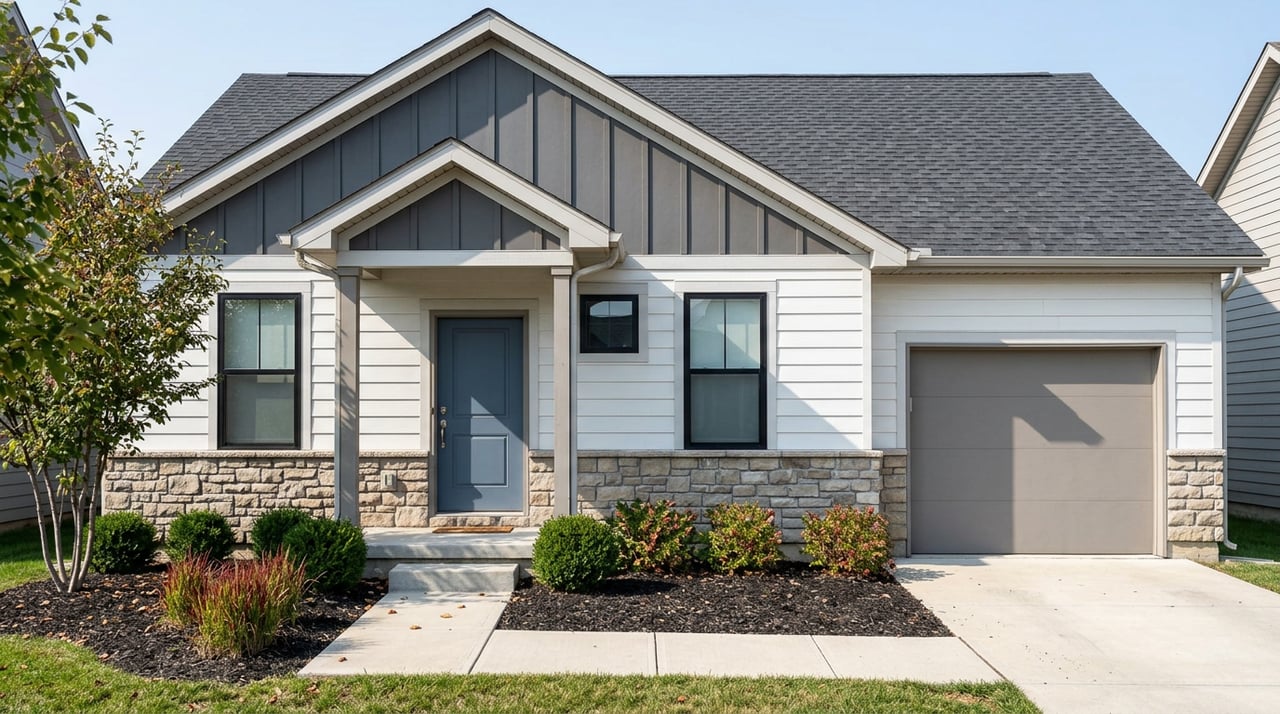
- Camp Hill: Starter single-family homes and townhomes commonly sit in the mid $200,000s to mid $300,000s. Larger single-family homes and updated properties often run higher based on lot size, walkability to Market Street, and renovations.
If you are payment sensitive, Harrisburg’s lower entry prices can keep your monthly costs down. If you want a small-town feel and strong school reputation, Camp Hill’s higher prices may still pencil out based on your long-term plans.
Property taxes and monthly costs
How Pennsylvania taxes work
Real estate taxes come from three layers: county, municipal, and school district. School millage is often the largest share of a homeowner’s bill. County millage tables show each component and are the best starting point for comparisons.
Camp Hill example
Cumberland County’s published table lists Camp Hill Borough’s total real estate tax rate at 0.02570850, which is about 25.7085 mills. You can see the county’s schedule in the official statement document under the tax tables. For a simple illustration, applying that rate to the Camp Hill typical value of about $322,535 suggests an annual bill near $8,300 (0.0257085 × $322,535 ≈ $8,292). This is an example only, based on market value equaling assessed value. Actual bills depend on the county’s assessment, exemptions, and current rates. Review the seller’s tax statement or the county tax office to confirm a property’s exact bill. You can review the published rate table in Cumberland County’s official statement document at the county’s millage schedule reference.
Harrisburg structure
Dauphin County’s 2026 millage table lists a split-rate structure for the City of Harrisburg, with about 30.97 mills on land and 5.16 mills on buildings, plus county, library, and separate school components. That split means your bill depends on the land versus improvement assessment, not just a single total rate. Harrisburg often has higher municipal components, but the city’s lower median home values can reduce the dollar amount in many cases. Always run a parcel-level estimate using the property’s assessed values and the current year’s table from the county. See the current table at Dauphin County’s millage rates.
What to include in your monthly math
Beyond principal and interest, include property taxes, homeowners insurance, HOA or condo fees where applicable, and routine maintenance. Insurance for attached or historic homes can vary by location and risk factors. Be sure to compare the specific property’s tax bill and insurance quote before you write an offer.
Commute and transit options
According to the U.S. Census Bureau’s 2020 to 2024 estimates, mean travel time to work is roughly 20.7 minutes in Camp Hill and 20.1 minutes in Harrisburg. Your actual commute can be much shorter if you work downtown or on the West Shore, and many routes between Camp Hill and downtown Harrisburg take 5 to 20 minutes by car depending on traffic. You can review the Camp Hill figures at Census QuickFacts.
For regional trips, the Harrisburg Transportation Center hosts Amtrak service to Philadelphia and New York, along with intercity buses and local connections. That hub can be a big plus if you plan regular train travel. Learn more at the Harrisburg Amtrak Station overview.
Bus lines also serve West Shore corridors, including Camp Hill’s Market Street, though many residents rely on cars for daily errands.
Schools overview
Many first-time buyers weigh school ratings and programs as part of the decision. Keep in mind that ratings and offerings can change over time. Always verify current programs with the district.
- Camp Hill School District: A small district with schools that receive strong ratings from several third-party sites. For example, Camp Hill Senior High is positively reviewed on Niche. Families who prioritize highly rated public schools near the city often consider Camp Hill for that reason.
- Harrisburg City School District: The district includes a mix of neighborhood schools, magnets, and charters. Academic outcomes and ratings vary by school across the district. You can review the district overview at GreatSchools. Some families compare in-city options with nearby suburban districts based on their specific needs.
Use a property-by-property approach. If schools are a top factor, map the attendance zones, visit schools, and compare program options that match your goals.
Walkability and daily amenities
- Camp Hill: The Market Street downtown offers a compact, walkable strip with local restaurants, coffee, and services. Many addresses near Market Street score well on walkability in listing pages. You get a suburban feel with the bonus of a small, pedestrian-friendly core.
- Harrisburg: Central neighborhoods like Downtown, Midtown, and portions of Old Uptown can be highly walkable, with easy access to restaurants, nightlife, riverfront paths, and transit. If you want a lively, car-light lifestyle, these areas often deliver more walkable choices than suburban alternatives.
Resale outlook and five to ten year view
Camp Hill’s smaller supply, walkable core, and strong school reputation tend to support steady demand, which can be a plus for long-term resale. Industry coverage has flagged the 17011 area among active ZIP codes in recent lists. Citywide Harrisburg metrics can understate fast-moving pockets near the Capitol, riverfront, and corridors that have seen ongoing revitalization. A 2025 year-in-review piece highlighted positive dynamics in targeted city neighborhoods, which speaks to the importance of block-by-block comps. You can see a news summary of Harrisburg’s recent market activity at WPXI’s housing market review.
Regionally, central Pennsylvania reports through early 2026 showed modest year-over-year appreciation. Local results can swing based on inventory and neighborhood momentum. For broader context, see the regional summary in this central Pennsylvania market report.
Which location is the better fit for you
- Budget first: If you want the most choices under $250,000 and a lower monthly payment, focus on Harrisburg city neighborhoods. Compare conditions street by street and use current comps.
- Walkable urban living: If you want short commutes, active streets, and transit options, central Harrisburg areas like Midtown and Downtown are strong fits. Expect condos or rowhomes and smaller yards.
- Schools and small-town feel: If you prioritize higher public school ratings and a compact main-street vibe, Camp Hill is often the right choice. Expect higher purchase prices and a school-driven resale audience.
- Investment potential: If you want to house-hack or build a small portfolio, Harrisburg’s lower entry prices and varied housing types create a broad buyer and renter pool. Screen neighborhoods carefully and underwrite numbers before you buy.
A quick comparison checklist
- Define your budget and target payment range.
- Pull the current tax bill for any property you like and cross-check county millage tables.
- Test-drive your commute during normal hours.
- Visit schools and review current programs and ratings if that is a priority.
- Walk the block in daytime and evening to see the daily rhythm.
- Review five to ten recent comps within a half mile, then revisit just before you offer.
How to choose with confidence
You do not have to pick a side based on guesswork. A clear plan will help you make a confident first purchase:
- Get preapproved so you know your ceiling.
- Compare two or three target neighborhoods in each area using live comps and the latest county tax tables.
- Tour homes in a single afternoon to feel the differences in street layout, parking, and amenities.
- If you see renovation potential, model the budget and after-repair value before you buy.
If you want an investor-informed take on both markets, with real comps and tax math, schedule a consult with Wendell Hoover. Our team blends renovation economics with day-to-day market execution so you can move fast and protect your long-term value.
FAQs
What are typical 2026 home values in Camp Hill and Harrisburg?
- Zillow’s Home Value Index shows Camp Hill around $322,535 and Harrisburg around $258,294, with data through February 28, 2026. Use live comps when you are ready to write.
How do property taxes compare between Camp Hill and Harrisburg?
- Camp Hill’s total rate is about 0.02570850 per dollar of assessed value per a county table, while Harrisburg uses a split land and building rate plus school and county components. Always compute using the parcel’s assessment and current county tables.
Are commutes shorter in Camp Hill or Harrisburg?
- Census estimates show mean travel times around 20 minutes in both places. Actual times depend on your job location and route, and many West Shore to downtown trips take 5 to 20 minutes by car.
How do school options differ between the two areas?
- Camp Hill’s small district and positively reviewed schools are a common draw, while Harrisburg offers a mix of neighborhood, magnet, and charter schools with varied outcomes. Verify current programs directly with each district.
Which area offers better walkability and transit access?
- Central Harrisburg neighborhoods often deliver the strongest walkability and transit connections, while Camp Hill offers a compact Market Street core with suburban convenience. Pick based on whether you want an urban or small-town daily rhythm.