If you are looking at a small multifamily deal in Midtown McKeesport, the numbers can look tempting fast. Lower purchase prices can create real opportunity, but this is also a market where old housing stock, thin rent comps, and price-sensitive tenants can turn a promising deal into a weak one. If you want to buy smarter, this guide will help you pressure-test the deal before you commit. Let’s dive in.
Start With the Market Reality
Midtown McKeesport has to be underwritten through the broader McKeesport and Allegheny County data because neighborhood-level public data are limited. That matters because you need to build your analysis on what is verifiable, not on wishful assumptions or one strong comp. In this market, disciplined underwriting matters more than speed.
According to the City of McKeesport 2025-2029 Consolidated Plan, 76.7% of the city’s housing units were built before 1960, renter-occupied units make up 51.1% of the housing stock, and population fell 9.5% from 2018 to 2023. That tells you three important things right away: this is an older housing market, it has a meaningful renter base, and demand is not strong enough to forgive poor execution.
For small multifamily investors, the citywide unit mix also matters. McKeesport reports 851 two-to-four-family houses, 693 five-to-nineteen-family buildings, and 951 properties with 20 or more units. Small multifamily exists here, but the comp pool is not especially deep, so values and rents can vary a lot from one block or building to the next.
Use Conservative Rent Assumptions
One of the biggest mistakes you can make in Midtown McKeesport is underwriting to the top of the rent range. Current rent data vary by source, which is your signal to stay cautious rather than optimistic.
Census QuickFacts shows McKeesport’s median gross rent at $848, while listing platforms place current asking rents higher. Apartments.com rent trends show about $849 for a two-bedroom unit as of April 2026, while the city plan cites a Zillow-based median rental price of $1,051. That spread is too wide to ignore.
A practical approach is to underwrite using the lower end of the verified range and treat anything above that as upside, not as your base case. If the deal only works at the highest asking-rent numbers, it is probably too thin for this market. In a price-sensitive rental market, overestimating rent is one of the fastest ways to miss your return target.
Watch Affordability Pressure
Rent is not just about what is listed online. It is also about what local households can reasonably support.
The city’s consolidated plan reports median household income at $31,854. That works out to about $796 per month at the classic 30% affordability standard. When the ACS median gross rent is already $848, and the city plan’s cited median rental price is $1,051, you are looking at a market where affordability pressure is real.
That does not mean rents cannot rise at all. It means rent growth usually has to be earned through better property condition, cleaner management, and realistic pricing. In Midtown McKeesport, strong operations matter more than aggressive projections.
Check the Purchase Price Fast
Before you get deep into inspections or contractor walks, do a quick screen on the relationship between price and rent. It will not replace full underwriting, but it can help you avoid wasting time on deals that are obviously too thin.
At a recent Redfin-reported median sale price of about $98,500 in McKeesport, the gross rent multiplier is roughly 9.7 using the ACS rent figure and about 7.8 using the city plan’s Zillow-based rent figure. That range is useful as a rough filter, not as a final answer. A property with major repairs, weak layout, or soft tenant demand can still underperform even if the screen looks attractive.
For Midtown McKeesport, this first-pass test should answer one simple question: does the deal still make sense if rents land near the low end and expenses come in higher than hoped? If not, move on early.
Budget Rehab Like an Older-Building Investor
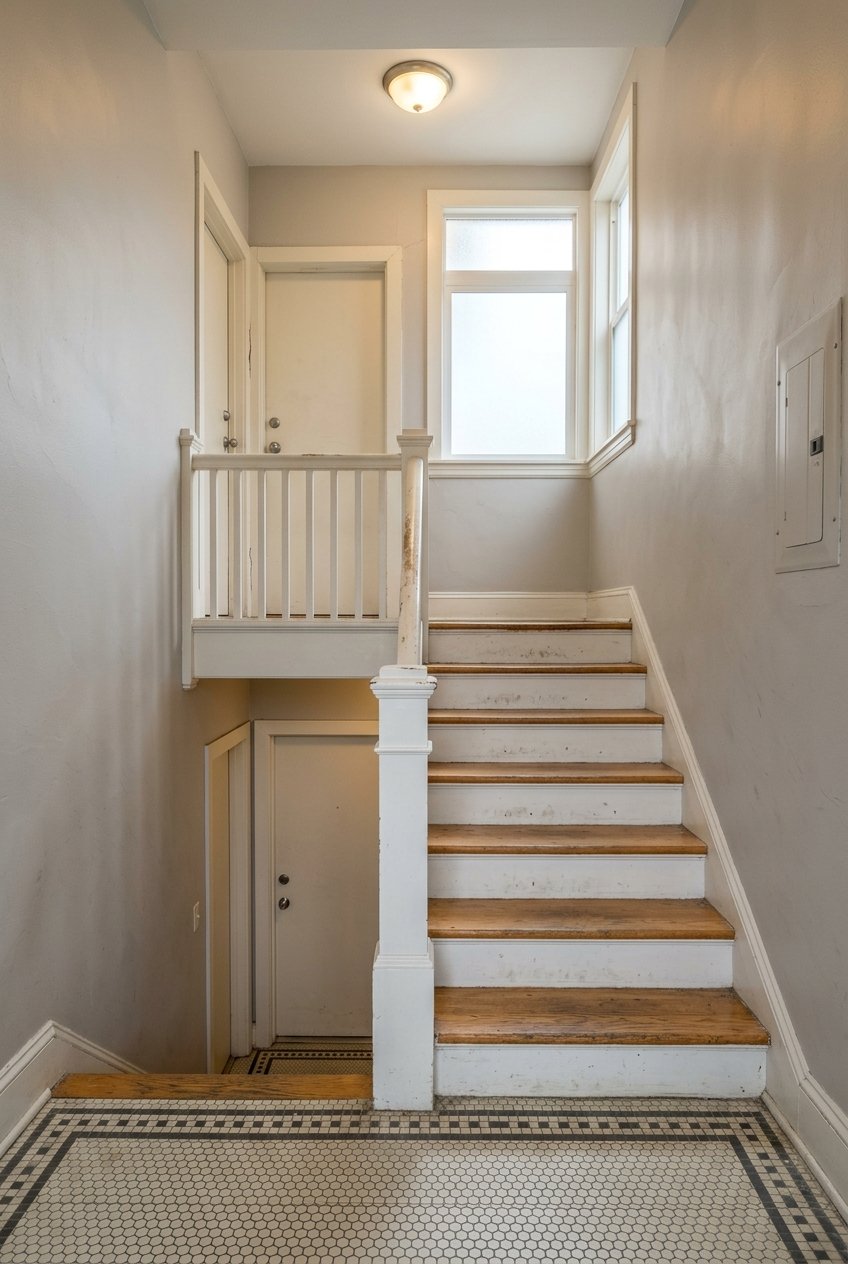
In McKeesport, older housing stock is the story. The city plan says much of the pre-1960 inventory shows signs of major deterioration and may have inadequate mechanical and electrical systems. That means cosmetic updates are rarely the whole job.
For a duplex, triplex, or four-unit property, your biggest risk is often hidden behind the walls or above the ceiling. Roofs, plumbing, wiring, heating systems, moisture issues, and turnover costs should all be inspected and priced before you finalize your offer. A clean-looking kitchen does not reduce the cost of a failing sewer line or outdated electrical service.
This is one reason small multifamily investing here rewards buyers who can separate true value-add from deferred maintenance. If your budget only covers paint, flooring, and fixtures, you may be underestimating the real scope.
Lead-Safe Work Matters
Lead-safe renovation should be part of your normal due diligence in Midtown McKeesport. The EPA notes that homes and apartments built before 1978 may contain lead-based paint, and renovation that disturbs it can create hazardous dust and trigger lead-safe requirements.
Because most of McKeesport’s housing stock predates 1960, you should treat this as a standard risk, not as a rare exception. If your renovation plan includes windows, walls, trim, doors, or surface prep, make sure your scope and contractor conversations reflect that reality.
Expect Thin Comp Sets
If you are used to larger apartment markets, Midtown McKeesport can feel tricky because there are fewer truly comparable small multifamily sales and rent comps. The city reports only 851 two-to-four-family houses, which means you may need to compare against nearby blocks, adjacent neighborhoods, or similar older Mon Valley properties.
That makes property-specific analysis especially important. Unit layout, utility setup, condition, transit access, and even how recently a building was stabilized can all change value materially. In this kind of market, a spreadsheet without local judgment can give you false confidence.
Focus on Demand Drivers You Can Verify
In a market with population decline, you want to anchor your underwriting to demand factors you can actually point to. Transit access is one of the clearest examples.
Pittsburgh Regional Transit reports that the McKeesport Transportation Center is served by the 61C-McKeesport-Homestead and the P7-McKeesport Flyer. For renters who rely on transit, that kind of connectivity can help support leasing and retention. It is not a cure-all, but it is a tangible stabilizer.
Employment anchors also matter. The city plan identifies UPMC McKeesport, UPMC Western Behavioral Health at Mon Yough, and the McKeesport Area School District as the city’s top three employers. That does not mean you should underwrite premium rents, but it does support the case for steady demand for clean, functional, reasonably priced units.
Treat Vacancy as a Real Expense
Vacancy should not be a placeholder line item in Midtown McKeesport. It should be a serious part of your decision-making.
The city’s population decline, its affordability pressure, and its identified vacant developable housing sites all point to a market where occupancy depends heavily on the basics. Location, condition, maintenance response, and pricing discipline are likely to matter more than marketing alone. If a unit sits, your returns can erode quickly.
That is why the best deals here usually are not the ones with the biggest rent-growth story. They are the ones where the rent is supportable, the rehab plan is realistic, and the property can compete well on functionality and upkeep.
Model Your Exit Conservatively
Even if you are planning to hold the property, your exit strategy still matters. The market may not bail you out if your basis gets too high.
Redfin housing market data for McKeesport show a median sale price of $98,500 in March 2026, average days on market of 78, and sale-to-list pricing around 94.9%. That suggests you should not count on a fast resale or full-price exit. If your strategy only works with quick appreciation or a very smooth disposition, the margin may be too tight.
A safer approach is to buy so the property still works if resale takes longer, if pricing softens, or if you need to solve one more building issue before listing. In a market like this, patience and margin matter.
Build a Simple Go/No-Go Checklist
When you evaluate a small multifamily deal in Midtown McKeesport, try to keep your decision framework simple and strict. In many cases, a better deal has four traits:
- A legal and workable unit mix
- A purchase price that still makes sense at the lower end of the local rent range
- A rehab scope that reflects pre-1960 building risks
- A location that benefits from transit access or nearby employment anchors
If the deal only works with aggressive rents, a light rehab budget, and a quick resale, that is a warning sign. This market can reward careful buyers, but it does not leave much room for sloppy assumptions.
Why Local Guidance Helps
Small multifamily investing in an older market is rarely about finding a magic formula. It is about asking the right questions before you get attached to the deal. That means pressure-testing rents, digging into systems, and understanding how location and condition affect lease-up in the real world.
If you want help evaluating a duplex, triplex, or four-unit property with a practical, numbers-first lens, Wendell Hoover can help you think through the deal, the renovation risk, and the market context before you make your next move.
FAQs
What rent should you use when evaluating a Midtown McKeesport multifamily deal?
- Use the lower end of verified local rent data as your base case, then treat any higher achievable rent as upside rather than a guarantee.
What is the biggest rehab risk in Midtown McKeesport small multifamily properties?
- The biggest risk is often older building systems such as roofing, electrical, plumbing, heating, and moisture issues, not just cosmetic updates.
Why are multifamily comps harder to find in Midtown McKeesport?
- McKeesport has a limited pool of two-to-four-family properties, so comp sets can be thin and values may vary more from property to property.
How should you think about vacancy in Midtown McKeesport rentals?
- Treat vacancy as a real underwriting expense because lease-up and retention depend heavily on condition, pricing, management, and exact location.
What makes a stronger small multifamily deal in Midtown McKeesport?
- A stronger deal usually has legal units, conservative rent assumptions, a realistic rehab budget for older housing, and access to transit or employment anchors.