Wondering whether you should renovate your older Camp Hill home before listing it? That is a smart question, especially in a market where buyers move quickly but not every upgrade pays you back. If you want to protect your net proceeds, avoid over-improving, and make confident decisions about what to fix, this guide will help you focus on the updates that matter most. Let’s dive in.
Why older Camp Hill homes need a different sales plan
Camp Hill has an older housing stock than many nearby markets. Cumberland County’s 2025 Hazard Mitigation Plan reports that 1,533 Camp Hill housing units were built before 1940, which is 43.4% of the borough’s housing units.
That matters when you sell. Many buyers shopping in Camp Hill expect charm and character, but they also pay close attention to roofs, foundations, moisture, windows, and older systems. In other words, your sale strategy should balance presentation with practical repair decisions.
The local market is also active. Recent data from Redfin, Zillow, and Realtor.com point to homes moving relatively fast, often within days or a few weeks, but that does not mean every renovation dollar will come back to you at closing.
Focus on profit, not perfection
If your goal is a profitable sale, your best move is usually not a full redesign. The better question is simple: Will this project increase your buyer pool enough to justify the cost?
For most older Camp Hill homes, smaller visible improvements tend to make more financial sense than major remodels. National resale data in the 2024 Cost vs. Value report shows very strong payback for garage door replacement, steel entry door replacement, and manufactured stone veneer, while midrange kitchen and bath remodels recoup much less.
That lines up with what many sellers need in real life. Buyers notice first impressions fast, and they often use exterior condition as a clue about how well the rest of the house has been maintained.
Start with curb appeal and first impressions
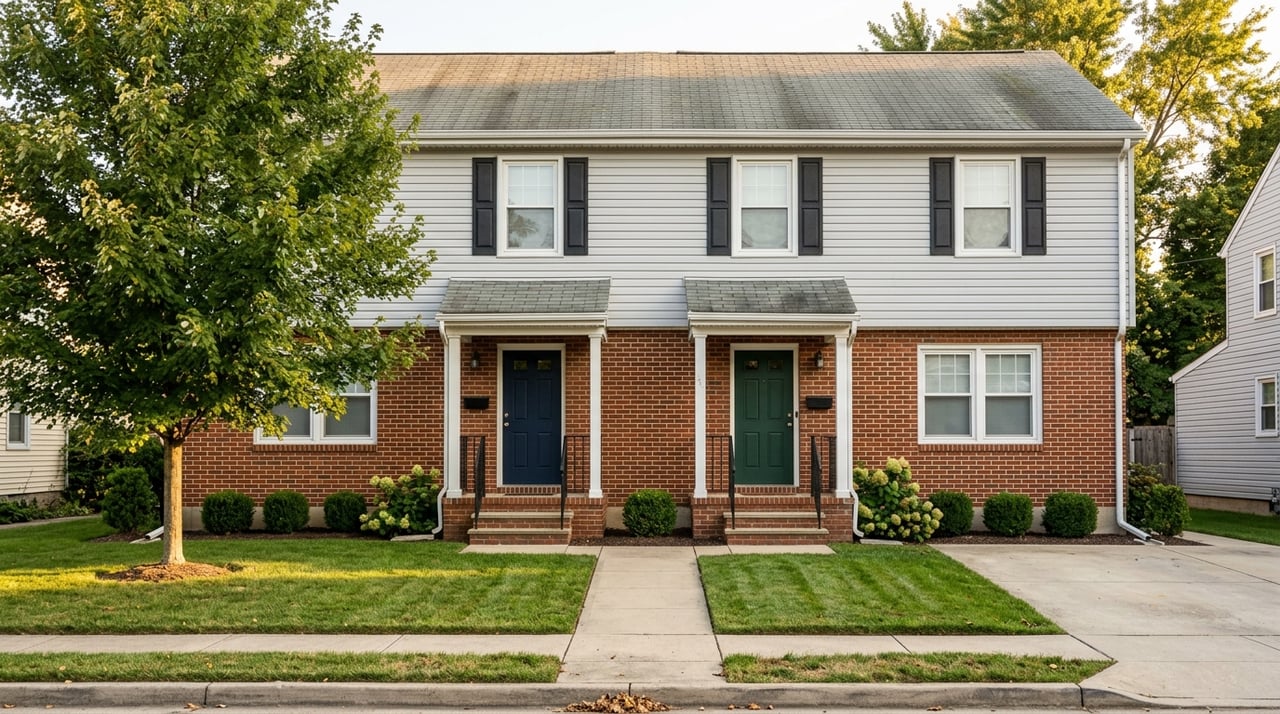
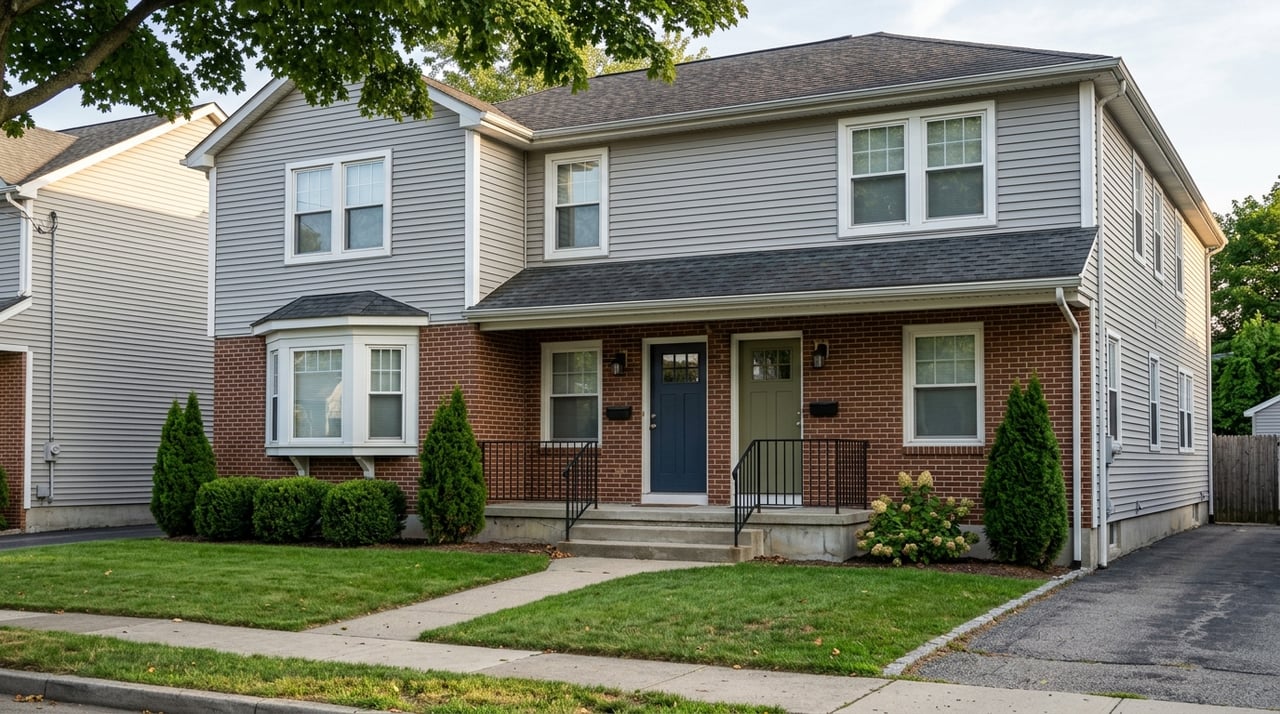
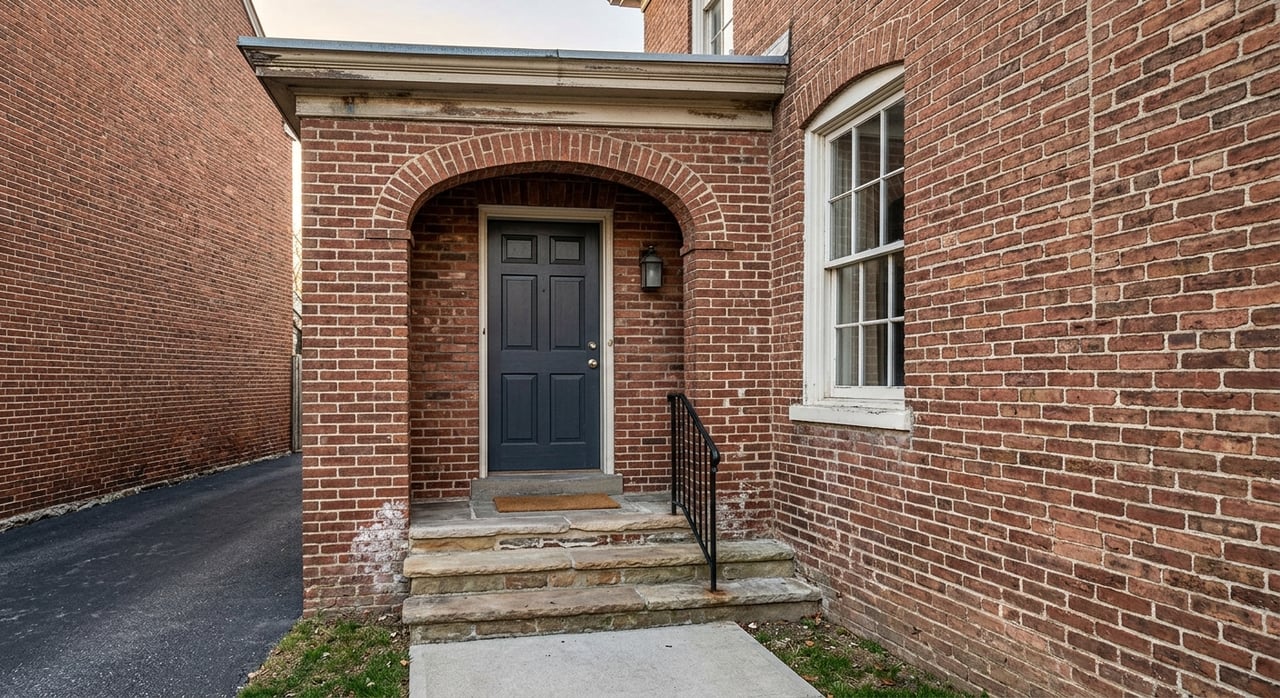
Before you think about opening walls or replacing cabinets, look at what buyers see first. A clean, cared-for exterior can make your home feel more trustworthy before anyone walks inside.
Zillow notes that landscaping is a common pre-listing task and says homes with nice landscaping can sell for 2% more and about a day faster. Even modest work can help, especially if your home already has mature trees, established yard space, or classic architecture that fits Camp Hill.
High-impact exterior tasks
These projects are often worth considering before listing:
- Power washing siding, walkways, and porches
- Touching up or repainting trim and worn exterior surfaces
- Repairing or repainting the front door
- Replacing a dated or damaged garage door if needed
- Cleaning up landscaping and trimming overgrowth
- Repairing loose railings, cracked steps, or obvious safety issues
- Making sure house numbers, lights, and entry hardware look clean and functional
You do not need to make the home look brand new. You want it to look maintained, solid, and easy to own.
Fix the issues buyers and inspectors flag quickly
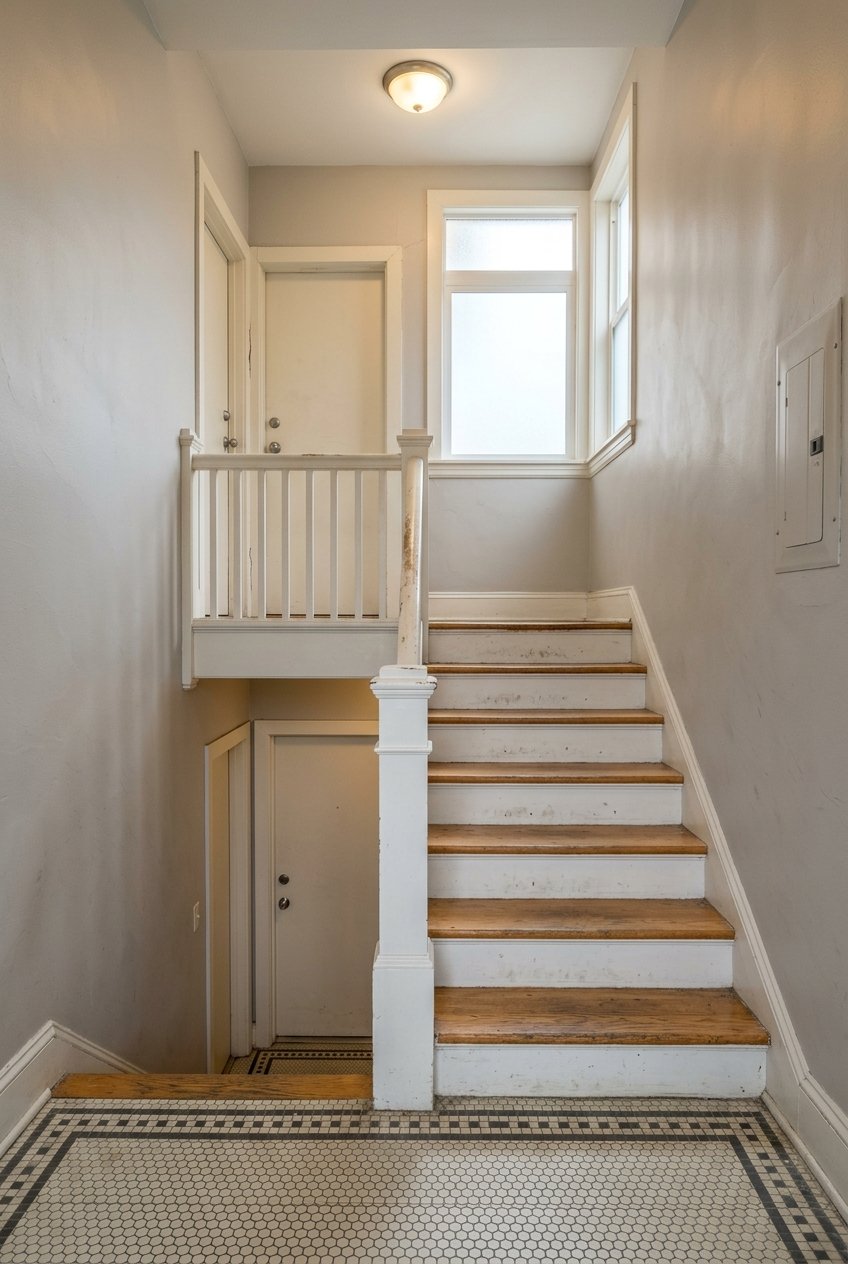
In an older home, buyers often worry less about outdated finishes than about hidden problems. If your home shows signs of deferred maintenance, that concern can shrink your buyer pool or lead to heavier negotiation.
Pennsylvania’s seller disclosure form specifically asks about roof leaks, basement or crawlspace dampness, termites or other wood-destroying pests, and movement or deterioration in walls, foundations, or other structural components. These are exactly the kinds of issues that can disrupt a sale if they are discovered late.
Prioritize these pre-listing repairs
If any of these are known issues at your property, they deserve early attention:
- Active roof leaks or visible roof damage
- Basement moisture, seepage, or drainage problems
- Evidence of termites, wood damage, or pest issues
- Cracks or movement tied to foundation or structural concerns
- Unsafe electrical, loose handrails, or trip hazards
- Plumbing leaks or signs of long-term water damage
Addressing these issues before listing can make your home easier to market to owner-occupant buyers. It can also reduce the chance of renegotiation after inspections.
Know what Pennsylvania requires you to disclose
When you sell in Pennsylvania, disclosure is not optional. State rules require sellers to disclose all known material defects that are not readily observable.
There is an important distinction here for older Camp Hill homes. A system or structural element being near the end of its normal useful life is not automatically a material defect by itself. Age alone is not the same thing as a known problem.
That is why documentation matters. If you repaired a roof leak, addressed basement moisture, or corrected a structural issue, keep the paperwork. Clear records can help buyers understand what was fixed and give them more confidence in the home.
Do not overlook lead paint rules
Because so many Camp Hill homes were built long before 1978, lead-based paint disclosure is often part of the sale process. Federal rules require sellers of target housing to disclose known lead-based paint and lead hazard information, provide available records and reports, include the required warning statement, and give buyers the opportunity for lead testing.
This does not mean every older home has a deal-breaking lead issue. It does mean you should be prepared, organized, and accurate with any records you have before your home hits the market.
Test for radon before buyers do
Radon is another issue worth handling early. Pennsylvania DEP says radon is an odorless, invisible radioactive gas that can enter homes through foundation cracks, and that about 40% of homes tested in the state are above the EPA action guideline of 4 pCi/L.
For an older Camp Hill home with a basement, this matters. A pre-listing radon test can give you time to understand the result and decide whether mitigation is needed before it becomes a last-minute negotiation point.
DEP recommends testing every home and taking corrective action if results are at or above 4 pCi/L. In practical terms, that means a simple test now can help you avoid uncertainty later.
Be careful with major remodels
It is easy to assume an older home needs a new kitchen or full bath remodel to compete. In many cases, that is not the most profitable move.
The 2024 Cost vs. Value data show that a midrange bath remodel recouped 74% and a midrange major kitchen remodel recouped 50%, far below many smaller exterior-facing projects. If your kitchen is functional and clean, you may be better off painting, repairing, decluttering, and improving lighting rather than starting from scratch.
When bigger updates may still make sense
A larger project may be worth considering if:
- The home is so dated that buyers struggle to finance or insure it
- Damage or deferred maintenance affects core rooms like the kitchen or bath
- A specific improvement is needed to open the home to a larger buyer pool
- You have clear evidence the cost is justified by likely pricing and demand
The key is to avoid spending emotionally. You want to invest where buyers will notice and where the market is likely to reward you.
Consider zoning if your home has historic context
Camp Hill’s zoning code includes a Heritage Conservation Overlay district in designated areas. According to the borough, the overlay is intended to preserve historic and cultural resources, and new construction within it must be compatible with the district’s historic architectural character.
If your older home is in or near that overlay, exterior changes may involve more than personal taste. Before making major façade changes, replacement decisions, or redesign plans, it is smart to confirm whether compatibility standards could affect your project.
This is another reason many sellers do better with a careful repair-and-refresh strategy instead of a dramatic exterior makeover. The right update is often the one that improves condition and presentation without creating avoidable approval or design issues.
Decide whether to target owner-occupants or investors
Not every older Camp Hill home should be marketed the same way. Your condition, repair budget, and tolerance for prep work should shape the strategy.
If your home can be presented as clean, financeable, and relatively straightforward on inspection, owner-occupant buyers may offer the strongest path. If the property still needs major systems work or visible rehab that you do not want to complete, an investor-focused sale may be more realistic.
Owner-occupant sale usually fits when
- The roof, structure, and major systems are in workable condition
- Moisture or safety issues have been resolved
- The home shows well with cosmetic improvements
- Disclosures are manageable and supported by records
- The property feels move-in ready or close to it
Investor sale may fit when
- The home needs significant repair work
- You do not want to complete major updates before listing
- Inspection concerns are likely to be extensive
- The property’s value is tied more to rehab potential than turnkey appeal
This is not a strict rule. It is a practical framework for matching your home’s condition to the most likely buyer pool.
A smart pre-listing plan for older Camp Hill homes
If you want a simple roadmap, start here:
- Walk the property like a buyer and note obvious first-impression issues.
- Fix visible exterior maintenance items that make the home feel neglected.
- Address known problems involving roof leaks, moisture, pests, structure, or safety.
- Gather repair invoices, warranties, and maintenance records.
- Review any lead-related records if the home was built before 1978.
- Consider radon testing before listing.
- Check whether historic overlay considerations affect planned exterior work.
- Decide whether your home is best positioned for owner-occupants or investors.
That approach keeps you focused on return, risk reduction, and buyer confidence.
The bottom line on selling an older Camp Hill home
In Camp Hill, older homes are not unusual. They are a major part of the local housing stock, which means buyers are used to age and character. What they respond to best is a home that feels cared for, honestly represented, and priced according to its condition.
For most sellers, the most profitable path is not a total renovation. It is a disciplined strategy built around visible maintenance, disclosure-sensitive repairs, and a marketing plan that fits the property you actually have.
If you want clear advice on what to fix, what to skip, and how to position your Camp Hill home for the best return, Wendell Hoover can help you build a practical sale strategy backed by local market experience.
FAQs
What repairs matter most before selling an older Camp Hill home?
- The most important repairs are usually roof leaks, basement moisture, pest or wood damage, structural concerns, and visible safety issues, followed by curb appeal improvements like paint, landscaping, and entry repairs.
Should you remodel the kitchen before listing a Camp Hill home?
- Usually, a full kitchen remodel is harder to justify purely for resale because major kitchen projects tend to recoup less than smaller, high-visibility improvements.
What does Pennsylvania require you to disclose when selling an older home?
- Pennsylvania requires sellers to disclose known material defects that are not readily observable, including issues such as roof leaks, dampness, pests, and structural deterioration.
Do older Camp Hill homes need lead paint disclosure?
- If the home is pre-1978 target housing, federal lead disclosure rules generally apply, including disclosure of known lead information, available records, and the buyer’s opportunity to test.
Should you test a Camp Hill home for radon before selling?
- It is often a smart step because Pennsylvania has a serious radon problem, and early testing can help you address results before they affect negotiations.
How do you know whether to market a Camp Hill home to buyers or investors?
- Homes that are clean, financeable, and low-drama on inspection often fit owner-occupant marketing best, while homes needing major systems work or rehab may be better positioned for investors.