If you are drawn to older homes but still want a practical, easy day-to-day routine, Camp Hill stands out for a reason. This close-in West Shore borough blends established streetscapes, varied historic housing, and a daily rhythm built around short trips, local parks, and a compact downtown core. If you are wondering what it really feels like to live among Camp Hill’s older homes, this guide will walk you through the housing character, walkability, and everyday lifestyle that shape the borough. Let’s dive in.
Why Camp Hill Feels Historic
Camp Hill’s historic appeal is not limited to one picture-perfect block or one single home style. The borough was incorporated in 1885 and is locally tied to Civil War heritage, but what you notice day to day is the layered feel of its neighborhoods, mature trees, and long-established homes.
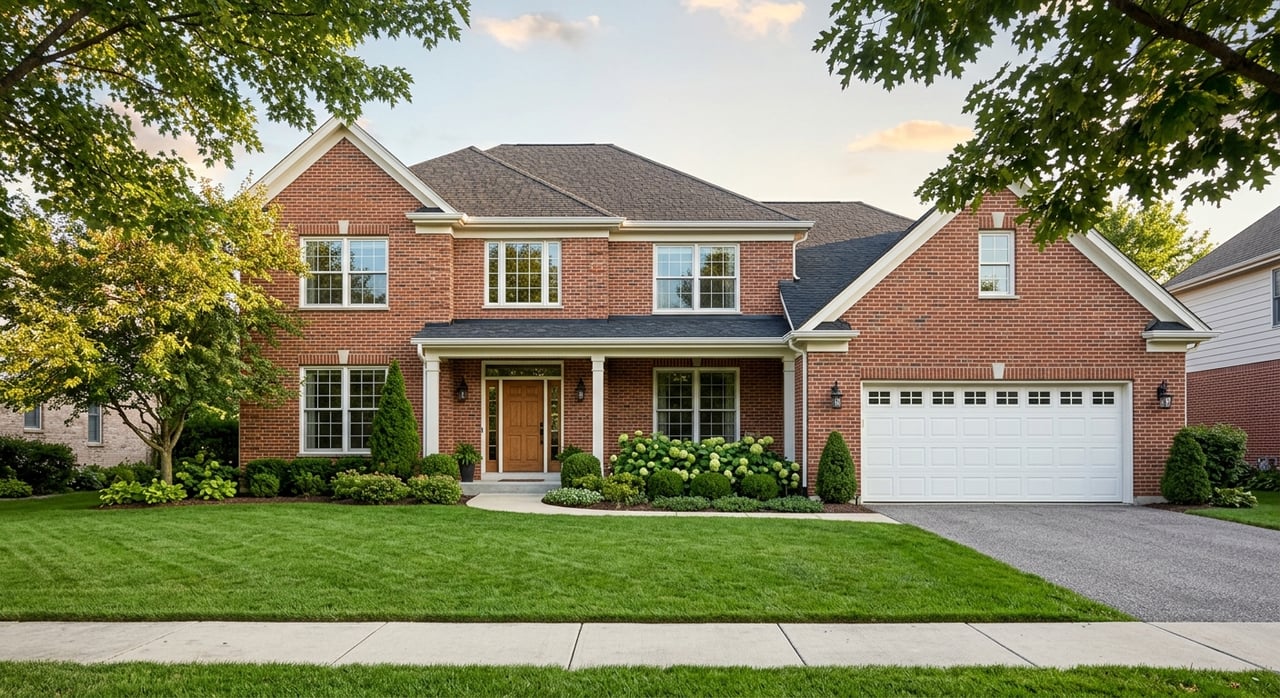
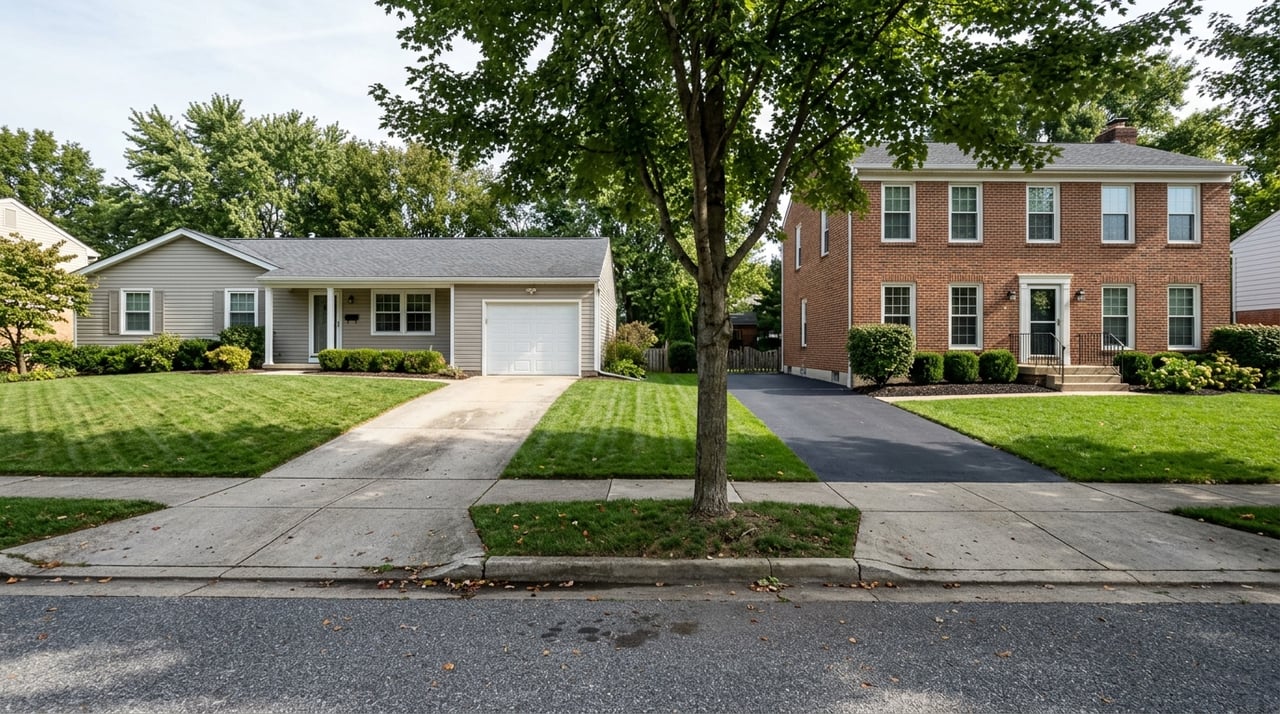
Instead of one uniform housing stock, Camp Hill offers a mix of older residential areas with distinct patterns. In the borough, you will find everything from larger two-story homes to cape cods, ranch houses, colonial revival homes, and smaller brick houses. That variety gives Camp Hill a lived-in, established character rather than a one-note look.
Historic Homes by Area
Willow Park’s Established Character
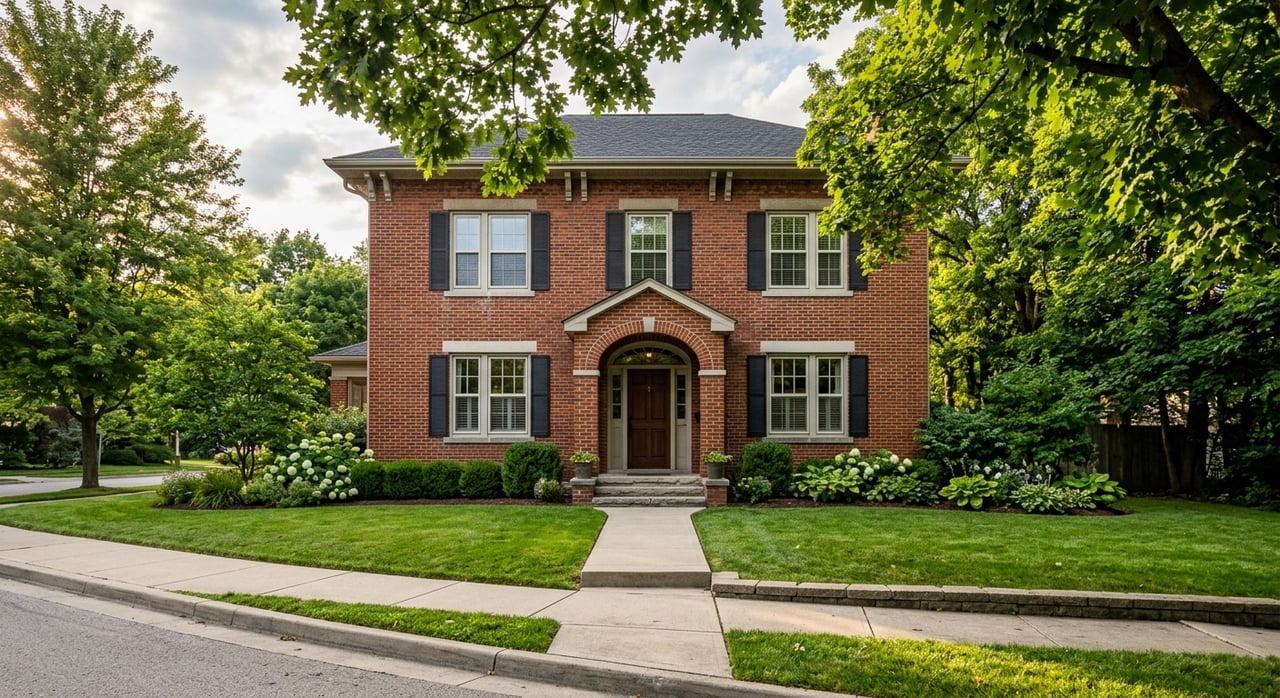
Willow Park is one of the clearest examples of Camp Hill’s historic housing appeal. The neighborhood includes larger two-story homes, mixed architectural types, mature street trees, and homes built largely between 1900 and 1950.
If you like older homes with a strong sense of place, this area often matches that search. The shallow-to-moderate setbacks and mature landscaping also help create the kind of street presence many buyers associate with classic borough living.
South Market’s Traditional Streetscape
South Market has a different but equally established feel. Here, the housing pattern is mostly single-family one- and two-story homes, with front porches, sidewalks, tree lawns, and mature trees.
That combination matters because it shapes how the neighborhood feels on an ordinary day. Front porches, sidewalks, and shade trees create a familiar, connected streetscape that many buyers look for when they want historic charm tied to daily convenience.
College Park’s Midcentury Mix
College Park adds another layer to Camp Hill’s housing story. In this area, you can find cape cods, two-story brick houses, ranch homes, and colonial revival style homes, with most construction dating from 1945 to 1960.
For buyers who want established homes but may not be focused on the oldest housing stock, this neighborhood shows how Camp Hill blends historic appeal with midcentury residential design. It is part of why the borough appeals to a wide range of buyers and sellers.
What Home Styles You’ll See
Camp Hill’s streets do not feel repetitive. As you move through the borough, you may notice:
- Brick two-story homes
- Cape cods
- Ranch houses
- Colonial revival homes
- Mixed two-story homes
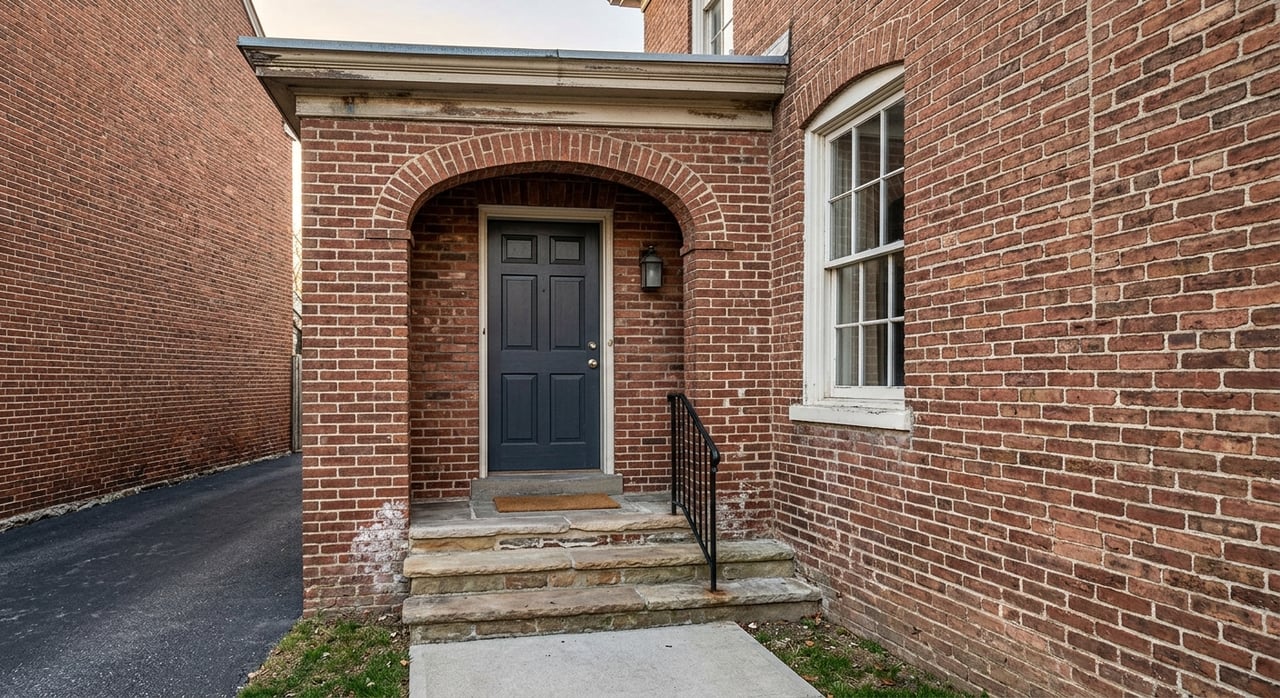
- Small brick square houses
This architectural mix gives the borough flexibility for different buyers. Some people are drawn to front-porch character and older brick exteriors, while others prefer a simpler ranch layout in an established setting.
Walkability in Everyday Life
One of Camp Hill’s biggest lifestyle advantages is location. The borough sits about two miles from Harrisburg across the Susquehanna River, which supports its role as a close-in West Shore community.
Camp Hill is also described by the school district as a walking and biking district. In practical terms, that helps support a day-to-day pattern where local trips, neighborhood walks, and quick downtown stops can fit naturally into your routine.
That said, walkability is not exactly the same on every block. County housing profile information shows that sidewalk continuity can vary, so some areas offer a more continuous sidewalk and tree-lawn pattern, while others are more intermittent.
Downtown Camp Hill and Daily Errands
The Market Street corridor helps tie Camp Hill’s lifestyle together. The Downtown Camp Hill Association focuses on Market Street between 15th and 25th streets, and borough records show attention to streetscape improvements and the public tree canopy.
For you as a resident, that translates into a downtown area that supports small errands, meetups, and everyday routines. Rather than needing a major outing, you can picture coffee, a quick stop for baked goods, a casual meal, or an afternoon library visit all fitting into the same part of town.
Shops, Dining, and Civic Anchors
Camp Hill’s downtown mix adds to its lived-in appeal. Local visitor information highlights boutique shopping focused on home décor, clothing, accessories, and more, along with dining and gathering spots such as Cornerstone Coffeehouse, Pennsylvania Bakery, Market Café, Cedars Restaurant, The Watershed Pub, 1801 Market Street, and 32nd Street Mercantile.
Fredricksen Library, located at 100 N. 19th Street, adds another important anchor near the same core. When you combine local shops, food options, and a civic space like the library, the result is a daily environment that feels useful as well as charming.
Parks and Outdoor Routine
Camp Hill’s lifestyle is not only about houses and downtown blocks. The borough also supports an easy outdoor routine, especially if you value nearby parks and simple ways to spend time outside.
Siebert Park includes a short half-mile out-and-back trail to the Conodoguinet Creek. Willow Park offers picnic tables, gazebos, gardens, and benches, while the 4.3-mile Goddard Trail provides a paved route connecting Siebert Park, Willow Park, Spring Lake Park, and Fiala Field.
For many buyers, that kind of park access is part of what makes an older borough setting work so well. You get established residential streets plus practical places to walk, bike, or unwind without leaving town.
Seasonal Rhythm in Camp Hill
Camp Hill also has a clear seasonal pattern that shapes how the borough feels throughout the year. The Camp Hill Borough Municipal Pool in Siebert Park operates from Memorial Day through Labor Day, giving summer its own community routine.
Recurring events also add to that rhythm. Borough and visitor materials point to events such as Market on Market, Plein Air Camp Hill, Bunny Eggstravaganza, the Kite Festival, and the Halloween Parade.
These events matter because they turn familiar public spaces into shared community settings. If you are considering a move, they also offer a practical clue about what everyday life looks like beyond the front door.
Who Camp Hill Often Appeals To
Camp Hill can appeal to more than one type of buyer because it balances housing character with convenience. If you are looking for an established home near Harrisburg, want access to parks and a downtown corridor, or appreciate a mix of older and midcentury homes, the borough checks many of those boxes.
It can also be a strong fit if you own an older property and want to understand how buyers may view its character, condition, and location. In neighborhoods with mature trees, porches, brick facades, and long-established streetscapes, presentation and pricing strategy can make a meaningful difference.
What to Keep in Mind When Buying or Selling
Historic appeal is powerful, but in Camp Hill it is also nuanced. One street may feel highly walkable with sidewalks and tree lawns, while another nearby block may offer a different experience.
That is why it helps to evaluate a home in context, not just by age or style. When you look at Camp Hill real estate, pay attention to the block pattern, access to Market Street, nearby parks, and how the home’s architecture fits the immediate streetscape.
For sellers, this same local context helps shape marketing. A brick two-story home in an established section of the borough may attract attention for different reasons than a ranch in a midcentury pocket, even though both benefit from Camp Hill’s overall location and reputation as a close-in community.
Why Local Context Matters
In a borough like Camp Hill, broad descriptions only go so far. The real value is understanding how housing style, neighborhood setting, and everyday convenience come together on a specific block.
That is especially true for older homes, where buyers often weigh charm, layout, upkeep, and location at the same time. A practical, data-informed view can help you separate general appeal from the details that actually affect value and marketability.
If you are thinking about buying or selling in Camp Hill, working with a team that understands older housing, renovation considerations, and neighborhood-specific pricing can help you make clearer decisions. To explore your options with a local, straightforward approach, connect with Wendell Hoover.
FAQs
Which Camp Hill neighborhoods feel the most historic?
- Willow Park and parts of South Market are often the clearest fit for buyers looking for historic character because they feature older homes, mature trees, porches, and an established streetscape.
What home styles are common in Camp Hill?
- Camp Hill includes brick two-story homes, cape cods, ranch houses, colonial revival homes, mixed two-story homes, and small brick square houses.
How walkable is daily life in Camp Hill?
- Downtown Camp Hill and some close-in neighborhoods support walking for errands and everyday trips, but sidewalk continuity varies by area.
What does everyday outdoor life look like in Camp Hill?
- Many residents enjoy parks, the Goddard Trail, the short trail at Siebert Park, and seasonal use of the municipal pool in Siebert Park.
What makes Camp Hill different from other nearby communities?
- Camp Hill combines established housing, a compact downtown corridor, parks and trails, and a close-in location about two miles from Harrisburg, which supports a practical and connected daily routine.