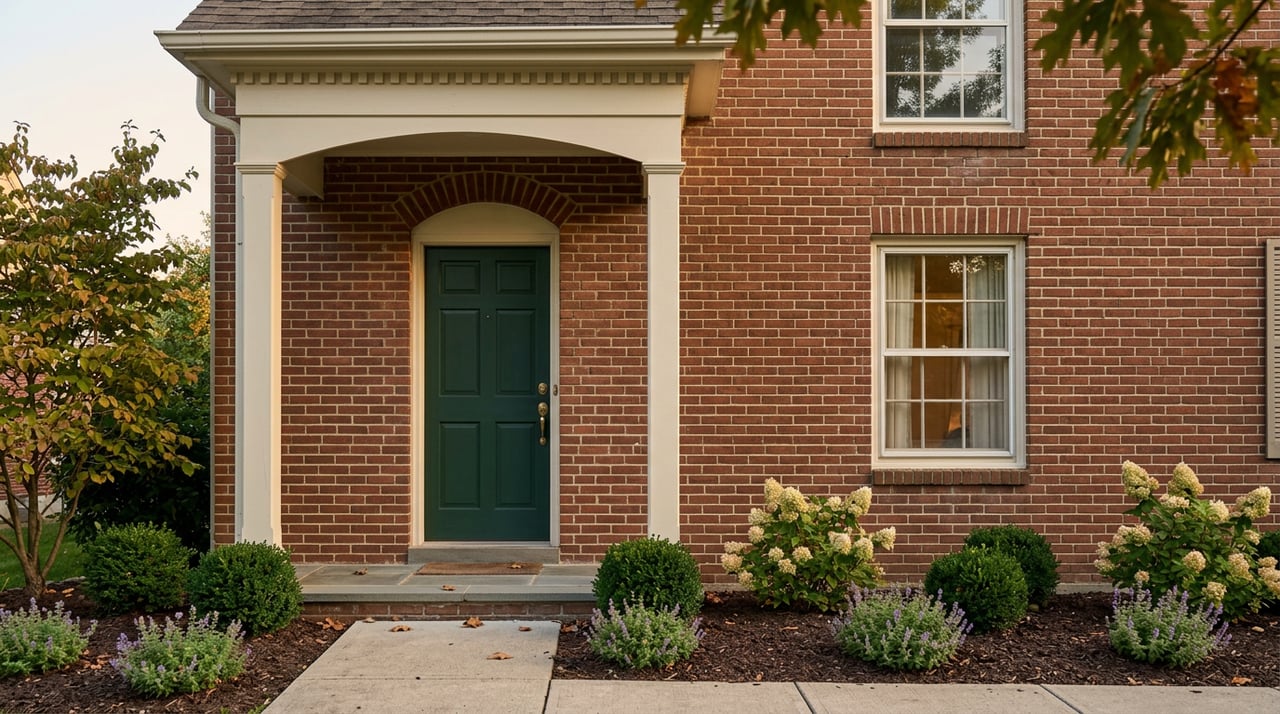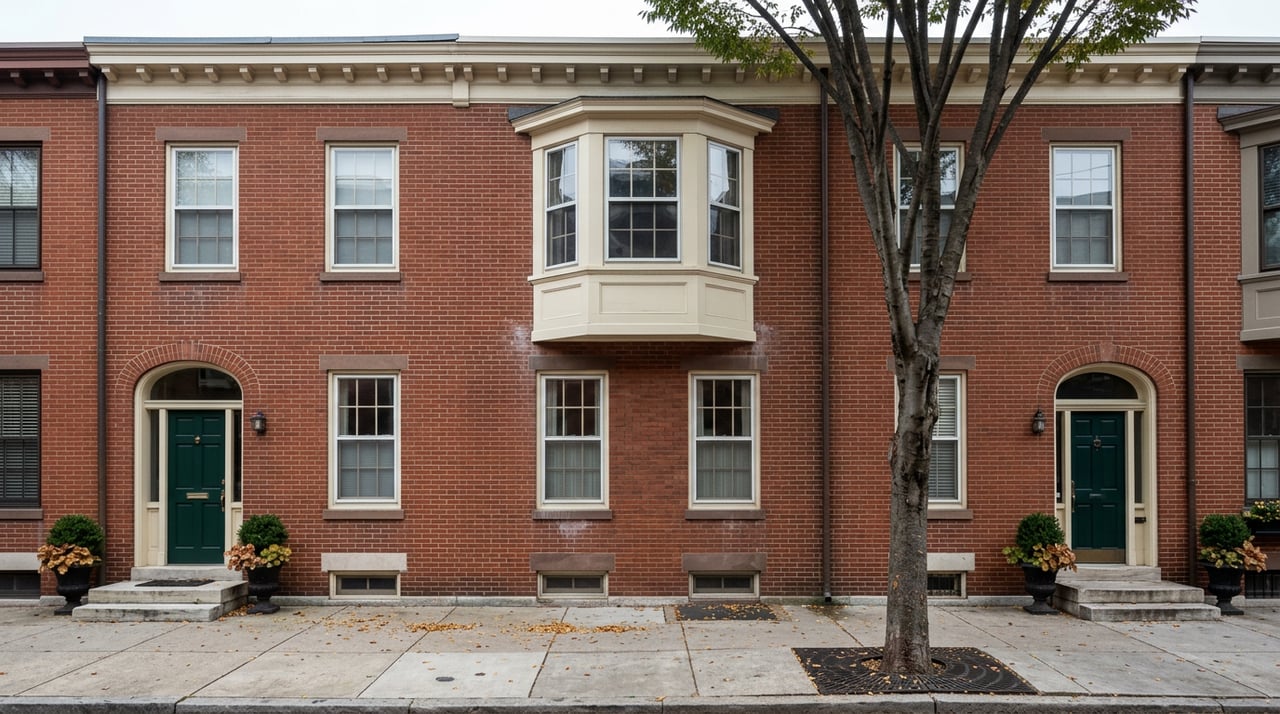
Two rowhomes sit on the same block in Midtown, built in the same decade, sold within a year of each other for close to the same price. One buyer replaces the roof, repaints, and rents it out as-is. The other guts it down to the brick, adds a bathroom, and opens up the kitchen. A year later, they are not paying the same property tax. This isn't a fluke of the market. It's the predictable result of two rules working against each other, and almost nobody underwriting a Midtown rehab budgets for it until the notice from the city shows up.
The number frozen in 2001
Every property in Dauphin County is still assessed as though it were 2001. That's not a simplification. According to the county's own Board of Assessment Appeals, Dauphin County's base year is 2001 and the county's ratio of assessment is 100 percent, meaning assessed values today represent 100 percent of what a property was worth back then. There has been no countywide reassessment since. A tracker of Pennsylvania counties currently reassessing or preparing to, updated as of March 2026, lists Beaver, Butler, Lackawanna, Mercer, Philadelphia, Schuylkill, Tioga, Wayne, and Wyoming counties. Dauphin isn't on it.
For a buyer, that gap between a 2001 snapshot and a 2026 sale price is usually good news. Assessed value sets the base for your tax bill, and a low, decades-old number keeps that bill modest relative to what the home actually sold for. In a corridor like Midtown, where renovation activity along the Penn and Green street corridors has been reshaping the housing stock for three decades, that gap can be wide. Most owners never see it close.
Except when you renovate
The City of Harrisburg has its own rule that overrides the quiet part of that arrangement. Under the city's tax code, whenever a building undergoes major improvements after January 1 of a given year, the city is required to inspect the property, reassess it, and notify the Dauphin County chief assessor within ten days. The reassessed value gets added to the tax duplicate and becomes taxable at that new figure for the second half of the year. This is a City of Harrisburg mechanism, not a Dauphin County one. Cosmetic work like painting or a routine roof replacement doesn't trigger it, but a rehab that changes the building's market value does.
So the untouched rowhome next door keeps its 2001-era number. The one you just spent six figures rehabbing gets inspected and priced at what it's worth today. Same block, same era, same original purchase price, and now two very different tax bases.
Why this isn't new, or unsettled
This exact scenario already went to court once. In the late 1980s, Harrisburg was the only municipality in Dauphin County running a systematic program of reassessing rehabilitated properties, valuing them at current market conditions in the year of inspection while every untouched building around them stayed on a base year from 1973. Owners of the rehabbed properties sued, arguing the practice violated the Pennsylvania Constitution's Uniformity Clause, which requires that taxes be applied evenly across a class of property. They won. The Commonwealth Court's ruling in that case ordered a countywide reassessment of Dauphin County, rolled back the individual rehab reassessments, and enjoined the city from continuing the practice on its own. The base year Dauphin County still uses today, 2001, sits downstream of that same fight over rehabbed buildings in Harrisburg, even if the county's own records don't spell out every step between the ruling and the number.
That history is still live. On May 19, 2026, the Pennsylvania Supreme Court ruled on a similar uniformity dispute out of Chester County, reaffirming that when a taxing authority's reassessment methodology conflicts with equal treatment across a property class, equal treatment wins. And in July 2025, a Pittsburgh-based advocacy group sued the state directly, naming Governor Shapiro and Attorney General Sunday, arguing Pennsylvania's system of leaving reassessment timing entirely up to individual counties produces a "grossly non-uniform" result statewide. Pennsylvania remains the only state that doesn't mandate a reassessment cycle at all, which is exactly why a base year from 2001 can sit next to a rehab reassessed at 2026 values on the same city block without anyone auditing the math in between.
What this actually changes in your underwriting
For a renovation investor comparing two Midtown rowhomes with similar asking prices, the assessed value on file tells you almost nothing about your future carrying cost if you plan to renovate. What matters is:
| Event | Triggers reassessment in Harrisburg? |
|---|---|
| Sale or purchase of the property | No |
| Routine maintenance (roof, paint, plumbing repair) | No |
| Major improvement or rehab completed after January 1 | Yes, city inspects and reassesses |
| Catastrophic loss exceeding 50 percent of value | Yes, downward, if reported within six months |
The practical result is that your renovation budget and your post-renovation tax bill are now linked in a way the seller's disclosure won't show you. A light cosmetic flip might never trigger a city inspection at all. A full gut renovation almost certainly will, and the new assessed value will be based on the property's condition and market value at the time the city looks at it, not on what you paid for materials.
Two things are worth building into your deal timeline before you finalize scope of work. First, Dauphin County allows a property owner to appeal an assessment every year, whether or not it changed, and the window runs from June 1 to August 1, with hearings held between August and October. If a mid-project reassessment lands higher than you expected, that window is your recourse. Second, call the Dauphin County Office of Tax Assessment before you finalize the scope of a rehab, not after. Knowing roughly where an inspection is likely to land your new assessed value changes the return math on a project meaningfully enough that it belongs in the same spreadsheet as material costs and contractor bids.
Why Midtown makes this sharper than most neighborhoods
This mechanism matters everywhere in Dauphin County, but it bites hardest in a neighborhood where renovation is the business model. Midtown's rowhome stock, much of it along the Broad Street Market corridor that has anchored the district since 1860, has been the target of steady rehab activity since the neighborhood's gentrification took hold in the 1990s. The corridor's current mix, from Millworks' restaurant, gallery, and brewery space to the Susquehanna Art Museum to newer additions like the High Dive cocktail bar that opened on North 3rd Street, reflects decades of exactly the kind of building-by-building rehabilitation that triggers the city's reassessment rule one property at a time. In a neighborhood built on renovation, the gap between a 2001 assessed value and a freshly rehabbed one isn't an edge case. It's the norm you're underwriting against.
Frequently asked questions
Does buying a Midtown rowhome trigger a reassessment on its own? No. Unlike states such as California, a change in ownership by itself doesn't reset the assessed value in Dauphin County. The trigger here is physical improvement to the building, not the transaction.
If I do a light cosmetic renovation, will I still get reassessed? Normal maintenance, like painting or replacing a roof, doesn't cause a reassessment under Dauphin County's rules. The city's rule specifically targets major improvements that change the building's market value, not upkeep.
When can I appeal if my new assessment feels too high? Dauphin County allows appeals every year between June 1 and August 1, with hearings conducted August through October. Any change from a successful appeal applies to the next tax year, not retroactively.
Could this system change soon? It's an open question. Pennsylvania courts have repeatedly ruled against uneven reassessment practices, most recently in May 2026, and a pending statewide lawsuit is asking for mandated reassessment cycles across all 67 counties. Nothing has changed Dauphin County's base year yet, but the legal pressure on the current system is real and ongoing.
If you're weighing a rehab in Midtown and want the tax side of the math worked through before you commit to a scope of work, that's exactly the kind of underwriting conversation Wendell Hoover has with investors every week. Reach out and let's look at your specific deal before the numbers surprise you.