Wondering whether to fix up your Camp Hill home or just sell it as-is? You are not alone. If your house needs work, the right choice often comes down to math, timing, and how much prep the local market will reward. In this guide, you will learn how to weigh renovation costs against likely resale value in Camp Hill, what updates tend to matter most, and when an as-is sale may be the smarter move. Let’s dive in.
Camp Hill sellers face a practical choice
Camp Hill is a relatively small borough of about 8,130 residents, and current home value snapshots tend to land in the low-to-mid $300,000s. Research points to a local market where many sellers are competing in roughly the $300,000 to $350,000 range, even though different sources report that range in slightly different ways.
That matters if you are thinking about renovations before listing. If your home is already close to market-ready, a few smart improvements may help you compete well without overspending. If your house needs a long list of repairs, putting in too much money before you sell may be hard to justify.
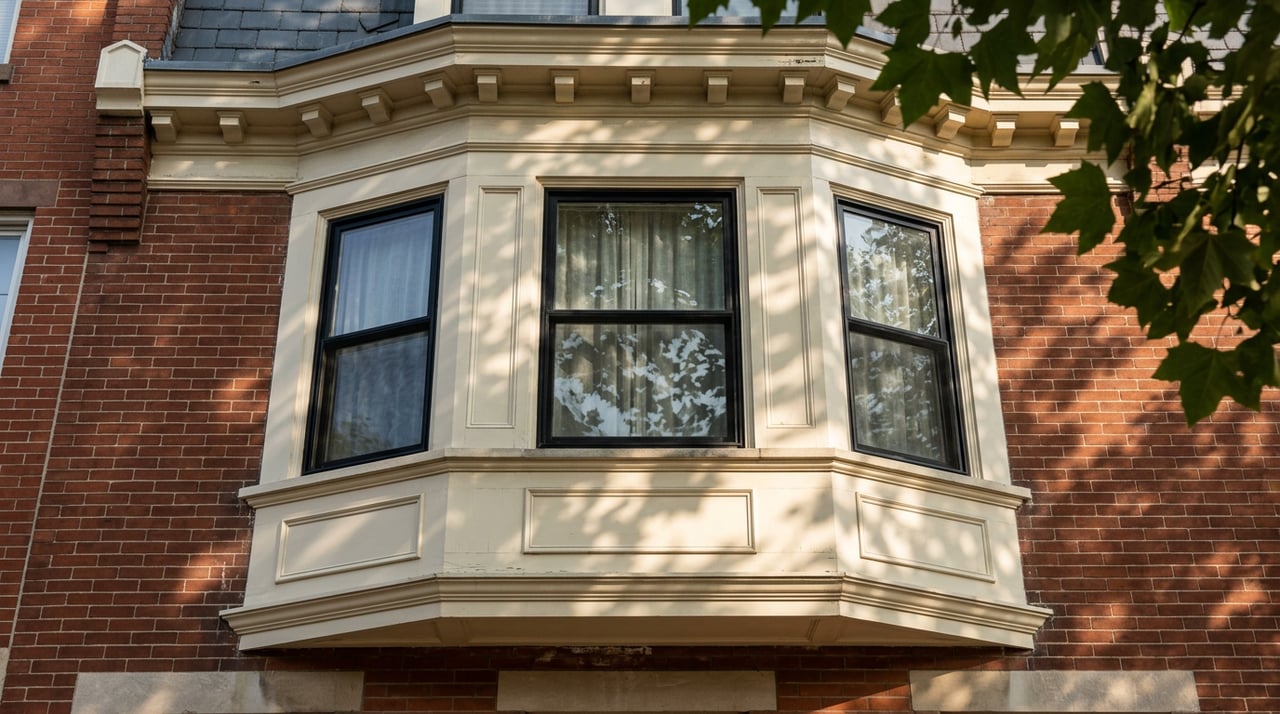
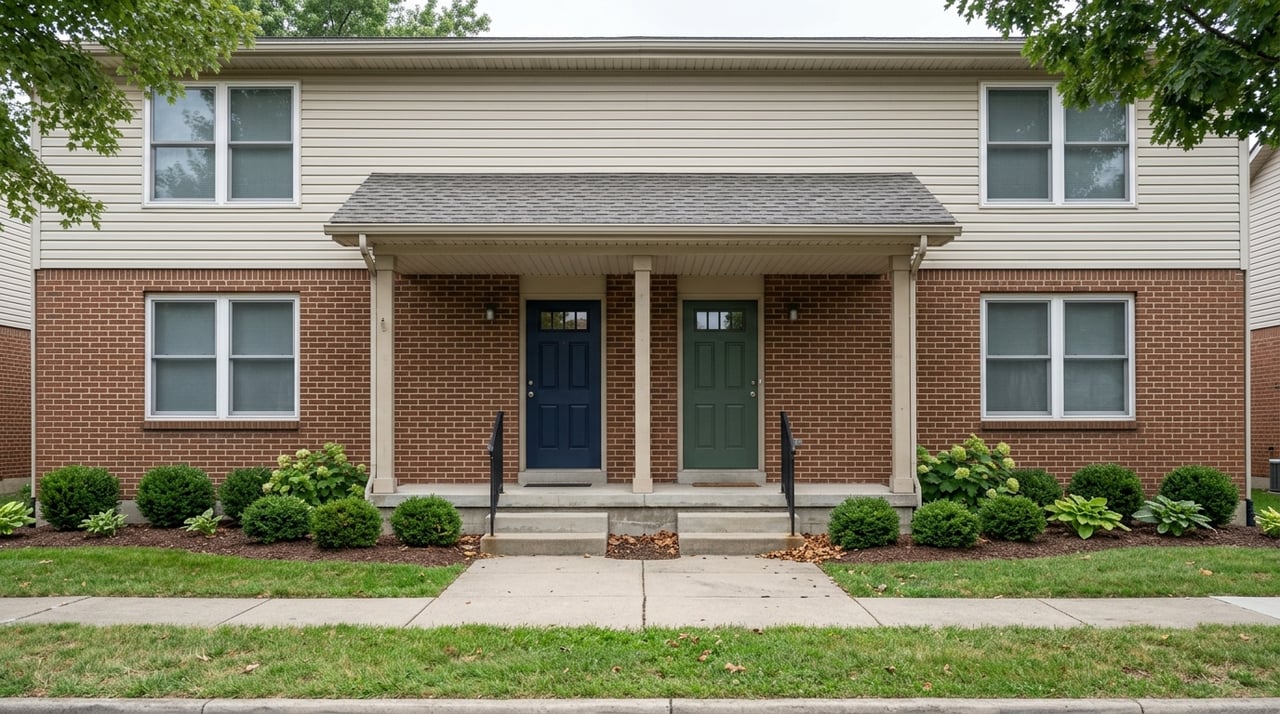
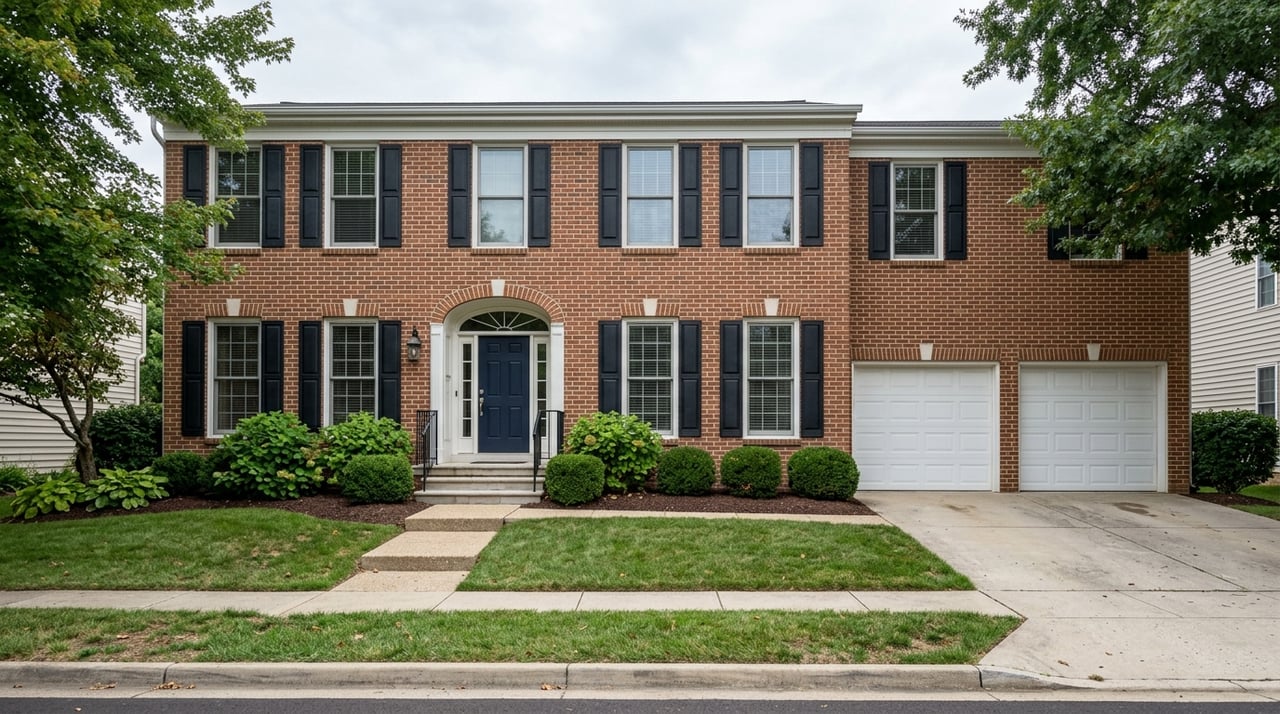
Camp Hill also has an older housing profile. About 24% of the housing stock was built before 1940, and about 75% is single-family detached. In a market like that, buyers often respond well to homes that feel clean, functional, and updated enough for daily living, even if they are not fully remodeled.
Why light updates often make sense
Camp Hill homes can move quickly when they are priced well. Realtor.com reports a 15-day median time on market and a 102% sale-to-list ratio, which suggests buyers are responding to homes that hit the market in the right condition and price range.
That does not mean you need a full renovation. In many cases, basic pre-sale prep can do more for your sale than an expensive remodel. If your house already has solid systems and no major red flags, smaller improvements may be enough to make the property feel move-in ready to a broad pool of buyers.
A pre-sale inspection is not required, but it can help you spot issues before buyers do. It can also help you decide whether the best path is light preparation, more targeted repairs, or a true as-is sale.
Renovations most likely to help resale
National research on pre-sale improvements points to a simple pattern. Sellers often benefit most from projects that improve first impressions, condition, and function without turning into a full overhaul.
The most commonly recommended pre-sale projects include:
- Painting the entire home
- Painting a single room that needs attention
- New roofing when the roof is near the end of its life
- Kitchen upgrades
- Bathroom updates
- Cleaning, decluttering, curb appeal work, and staging
Zonda’s 2025 Cost vs. Value findings also show that some of the strongest resale performers are exterior or entry-related projects. Those include garage door replacement, steel entry door replacement, fiber-cement siding replacement, and a minor kitchen remodel.
In a place like Camp Hill, that trend matters. When many homes are competing in a similar price band, visible, practical updates can help a property present better without pushing you into renovation costs that are too large relative to the likely resale price.
Best updates for older Camp Hill homes
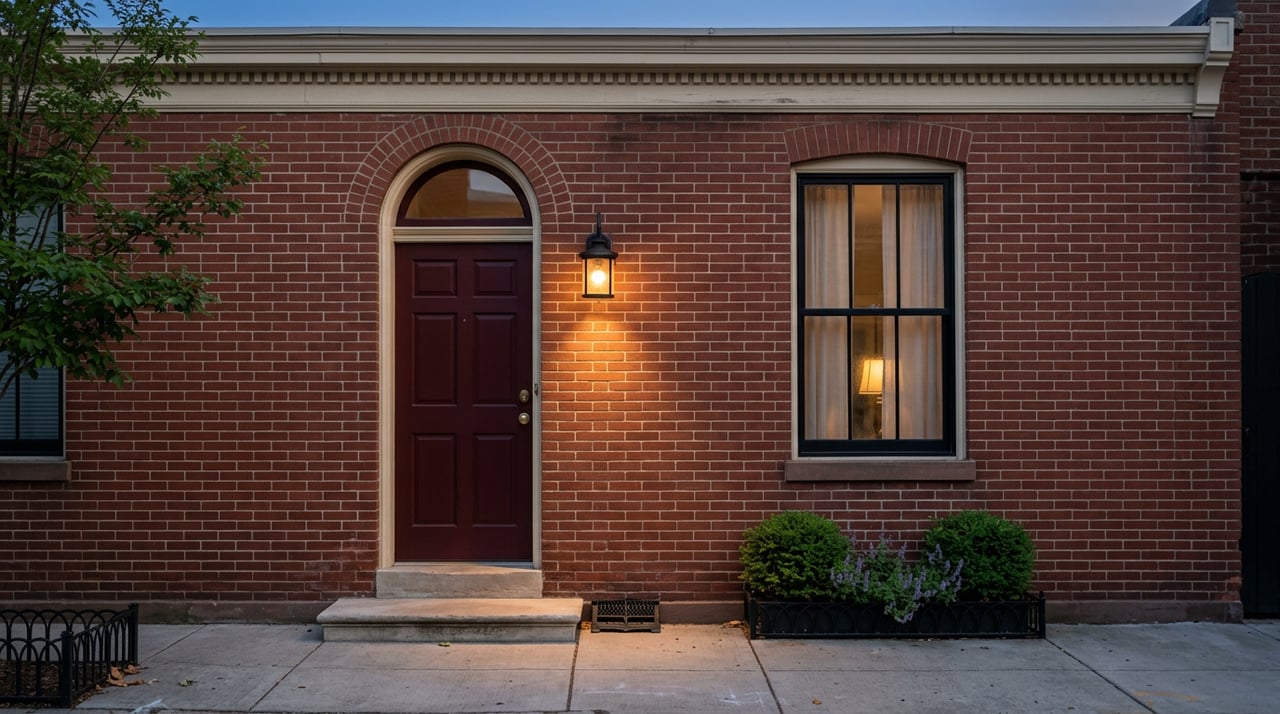
If you own an older detached home in Camp Hill, focus first on the items buyers notice right away. Fresh paint, a clean exterior, an updated front door, and a functional roof can make a home feel cared for.
Inside, aim for improvements that reduce friction for buyers. That could mean a modest kitchen refresh, better lighting, repaired flooring, or small bathroom updates. These changes often improve the overall impression without requiring you to rebuild major spaces.
Projects to approach carefully
Large interior remodels are usually more attractive when you plan to stay in the home longer. If you are preparing to sell soon, a major kitchen or whole-house remodel may not return enough value to justify the cost.
That is especially true if your home’s likely sale price still needs to fit within Camp Hill’s common market range. Before you commit to a major project, compare the cost against what similar homes in your likely price band can realistically support.
When selling as-is may be the better move
Sometimes the smartest choice is not to renovate much at all. If your home has major roof, HVAC, plumbing, electrical, moisture, or structural issues, selling as-is may be more practical than trying to solve everything before listing.
An as-is sale can save time, reduce out-of-pocket costs, and help you avoid managing a long repair timeline. It can also be the better option if you are dealing with an inherited property, deferred maintenance, or a house that would still need substantial work even after cosmetic touch-ups.
The trade-off is usually price and buyer pool. As-is homes often attract fewer buyers and may appeal more to investors or renovation-focused purchasers than to owner-occupants looking for a move-in ready house.
A simple Camp Hill decision test
A practical rule of thumb for Camp Hill is this: if your house is already close to market-ready, light prep and retail marketing may be the better path. If the repair list is large enough that buyers will discount the home anyway, it makes sense to compare an as-is strategy against the likely price lift from renovations before spending the money.
That comparison should be grounded in real numbers. Get quotes for the biggest unknowns, identify the highest-visibility items, and look closely at whether those repairs would truly move the sale price enough to matter.
How to decide with numbers, not guesswork
If you are stuck between renovating and selling as-is, use a simple framework. Start with the cost side, then compare it to what the Camp Hill market is likely to pay.
Step 1: Price your likely sale range
Start with a realistic estimate of where your home fits in Camp Hill’s current market. Research suggests the local market is generally operating in the $300,000 to $350,000 range, with some variation depending on condition, location within the borough, and property details.
That estimated range gives you a ceiling to work from. If your property is unlikely to break far beyond that range, your renovation budget should reflect that reality.
Step 2: Separate cosmetic from major repairs
Make two lists:
- Cosmetic or visibility items: paint, flooring touch-ups, landscaping, decluttering, lighting, hardware, minor kitchen or bath refreshes
- Major system items: roof, HVAC, plumbing, electrical, moisture issues, drainage problems, structural concerns
Cosmetic items are often easier to justify before listing. Major system repairs need a closer financial review because they can add up quickly.
Step 3: Get quotes for the big-ticket items
If there are major unknowns, get contractor quotes before making a decision. That gives you a more accurate view of what it would take to bring the home to a retail-ready condition.
Without real estimates, it is easy to over-improve, or to assume a repair is unaffordable when it may be manageable. Good numbers lead to better strategy.
Step 4: Prioritize high-return work
If you decide to do some pre-sale work, focus on the projects most likely to improve first impression and buyer confidence. Exterior improvements, paint, roofing when needed, and modest kitchen or bath updates usually deserve the first look.
If a project is expensive but unlikely to change how buyers categorize the home, it may not belong on your pre-sale list. The goal is not perfection. The goal is stronger marketability.
Step 5: Compare net results
Finally, compare two likely outcomes:
- Your estimated sale price after improvements, minus renovation costs
- Your estimated as-is sale price, with less time, risk, and cash invested
The better option is not always the higher sale price. It is the option that best supports your timeline, budget, and net result.
Don’t overlook Pennsylvania disclosure rules
If you sell a home in Pennsylvania, you are generally required to disclose known material defects that are not readily observable. The state disclosure form specifically asks about issues such as roof leaks, basement or crawl-space water, termites or wood-destroying insects, plumbing problems, heating and air conditioning, electrical problems, and land or drainage issues.
This matters whether you renovate or sell as-is. Selling as-is does not remove the need to disclose known material defects.
The disclosure form is not a warranty, but it does need to be updated if conditions change after you complete it. If a new issue comes up before closing, the buyer must be notified in writing.
Check permits before larger work
If you are planning more than cosmetic updates, do not assume your pre-sale project is automatically allowed. Camp Hill Borough’s zoning permit application covers work such as erecting or altering a building or structure, demolition, changes or extensions of use, changes in nonconforming use, and sidewalk or driveway additions or reconstruction.
If your project involves an addition, structural change, or driveway work, check with the Borough codes office before moving forward. That step can help you avoid delays when you are trying to get your home ready for market.
The smartest strategy depends on your starting point
For many Camp Hill homeowners, the answer is not a full renovation or a pure as-is sale. It is a middle path. Clean up the home, fix the most visible and important issues, and avoid over-improving for a market that often rewards practical preparation more than luxury finishes.
If your repair list is short, light updates may help you reach the strongest retail audience. If the work list is long and expensive, a straightforward as-is strategy may protect your time and cash while still getting the property sold.
The key is to make the decision with local pricing, repair estimates, and buyer expectations in mind. That is where experienced, investor-informed guidance can make a real difference.
If you want help weighing renovation costs against likely resale value in Camp Hill, Wendell Hoover can help you build a practical selling strategy based on your home, your timeline, and your numbers.
FAQs
Should you renovate before selling a home in Camp Hill?
- If your Camp Hill home is already close to market-ready, light cosmetic updates and basic repairs may be enough. If it needs major system or structural work, selling as-is may be the more practical option.
What repairs matter most before listing a Camp Hill home?
- The most useful pre-sale improvements often include paint, curb appeal, cleaning, decluttering, roofing when needed, and modest kitchen or bathroom updates.
Can you sell a Camp Hill home as-is in Pennsylvania?
- Yes, you can sell a Camp Hill home as-is, but Pennsylvania sellers still need to disclose known material defects that are not readily observable.
Do you need a permit for pre-sale work in Camp Hill?
- For additions, structural changes, driveway work, and certain other property changes, you should check with Camp Hill Borough before starting the project.
How fast do homes sell in Camp Hill?
- Research cited for Camp Hill shows a 15-day median time on market and a 102% sale-to-list ratio, which suggests well-priced homes can move quickly.
Is a full remodel worth it before selling a Camp Hill house?
- Not always. Larger interior remodels often make more sense for owners planning to stay longer, while sellers may benefit more from targeted, high-visibility updates that fit Camp Hill’s common price range.